Live, Engage, Convert: The Mechanics Behind Social Platform Shopping Experiences
Livestream commerce has rapidly transformed the way people discover and purchase products online. Blending entertainment, social interaction, and instant purchasing, it represents a powerful shift away from traditional eCommerce models toward something far more immersive. Instead of browsing static product pages, consumers now join live broadcasts where hosts demonstrate products, answer questions in real time, and create a sense of urgency that drives immediate buying decisions. This dynamic approach has gained massive traction across social platforms, especially as users spend more time engaging with video content. From beauty influencers showcasing skincare routines to entrepreneurs launching products live, livestream commerce has become a central strategy for brands looking to capture attention and convert it into revenue.
A: It is a live video selling format where products are demonstrated, discussed, and purchased in real time on social platforms.
A: It combines entertainment, trust-building, product demos, urgency, and instant checkout in one experience.
A: A brand founder, team member, influencer, creator, or trained presenter can host the stream.
A: Sometimes no; many platforms now offer integrated product links or in-app checkout tools.
A: Products that benefit from demonstration, explanation, or emotional excitement often perform especially well.
A: It depends on the audience and product mix, but many effective streams balance depth with strong pacing.
A: No; a smaller but highly interested audience can often convert better than a large unqualified one.
A: Clear demonstrations, honest answers, natural presentation, and responsive engagement build credibility quickly.
A: Yes; clips, demos, and highlights can be repurposed into short-form videos, ads, and product content.
A: Treating the stream like a static ad instead of a real-time conversation with the audience.
What Is Livestream Commerce?
Livestream commerce is a form of online selling where products are promoted and sold during a live video broadcast. Viewers can watch demonstrations, interact with the host through comments or reactions, and purchase items directly within the platform or via integrated links.
Unlike traditional online shopping, livestream commerce creates a shared experience. It combines elements of television shopping channels with modern social media engagement, making it both entertaining and highly persuasive. The real-time nature of livestreams allows brands to build trust, answer objections instantly, and showcase products in a more authentic way.
How Social Platforms Enable Livestream Selling
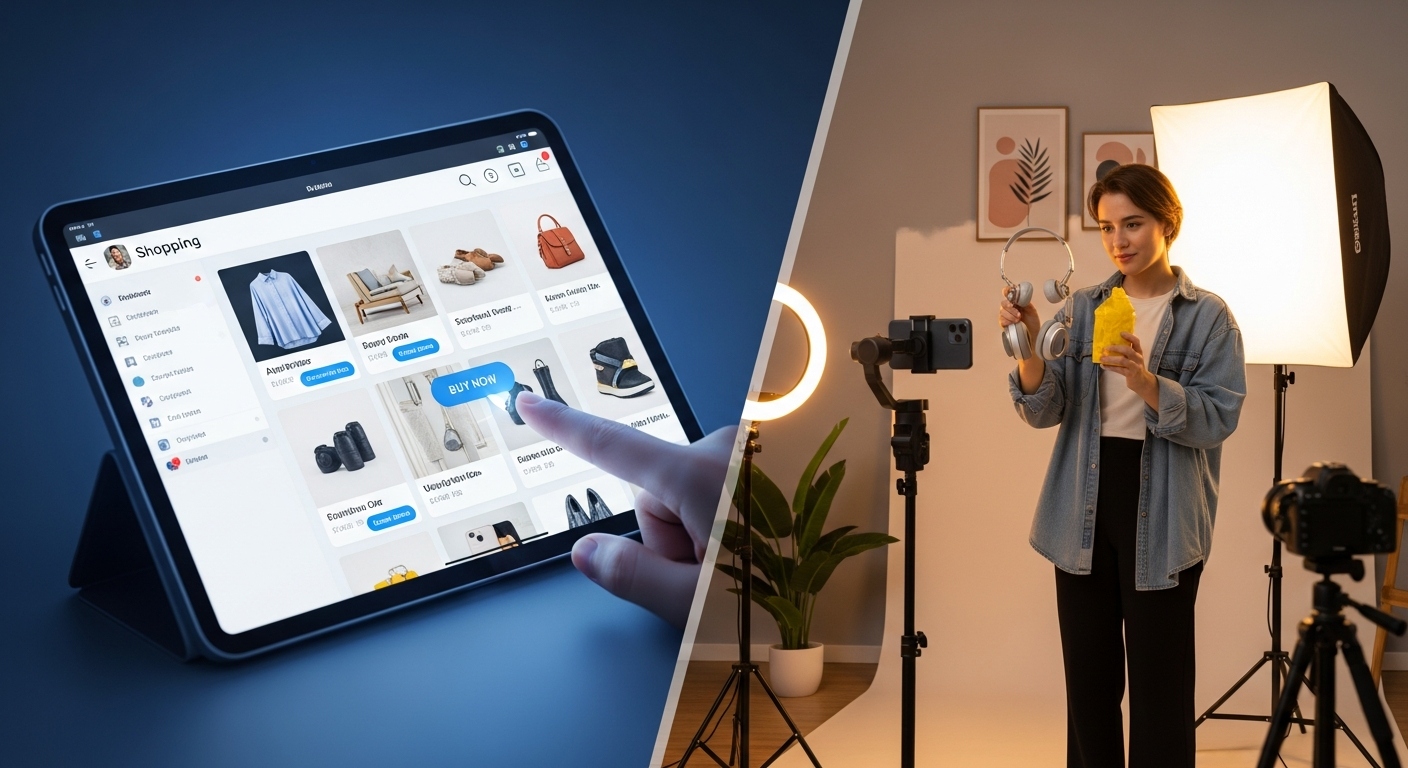
Social platforms have built robust ecosystems to support livestream commerce. These systems integrate video streaming, chat functionality, and seamless checkout experiences into one unified interface. When a brand or creator goes live, viewers receive notifications, encouraging them to join the session in real time.
During the livestream, products are typically featured through pinned links, on-screen product cards, or integrated shopping tabs. Viewers can click on these elements without leaving the broadcast, reducing friction and increasing the likelihood of a purchase. This seamless experience is a key reason livestream commerce converts at higher rates than traditional eCommerce.
Additionally, platforms use algorithms to promote live content, often prioritizing it in feeds because of its interactive nature. This increases visibility and helps brands reach larger audiences organically.
The Role of the Host in Driving Sales
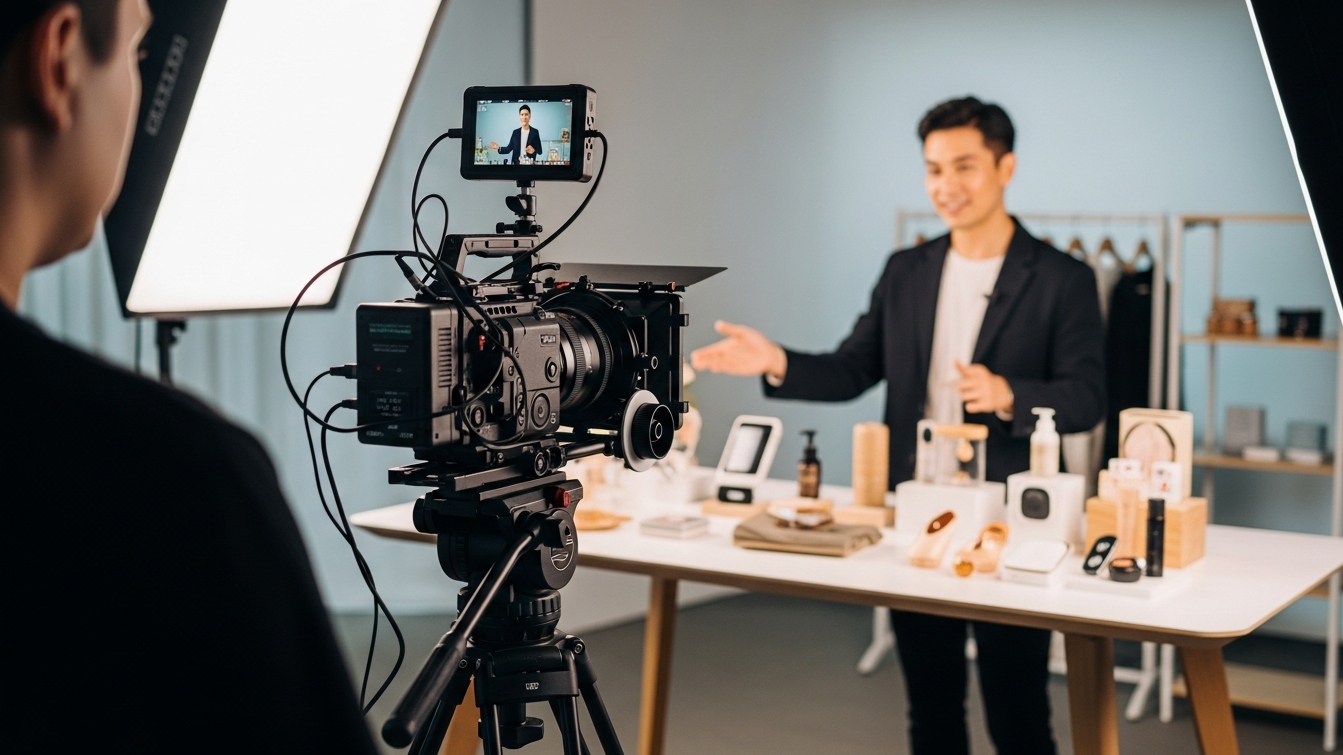
At the center of every successful livestream is a compelling host. Whether it’s a brand representative, influencer, or entrepreneur, the host plays a crucial role in engaging viewers and guiding them toward a purchase.
A skilled host does more than present products—they tell stories, demonstrate use cases, and create an emotional connection with the audience. They respond to comments, address concerns, and adapt their presentation based on viewer feedback. This level of interaction builds trust quickly, which is essential for converting viewers into buyers.
The host also creates momentum throughout the stream by introducing limited-time offers, exclusive discounts, or product bundles. These tactics encourage viewers to act quickly, capitalizing on the fear of missing out.
Real-Time Interaction and Audience Engagement
One of the defining features of livestream commerce is its interactive nature. Viewers are not passive observers; they are active participants. They can ask questions, request demonstrations, and share their opinions in real time. This interaction creates a sense of community and involvement that traditional shopping cannot replicate. When viewers see others engaging, commenting, and purchasing, it reinforces social proof and builds confidence in the product.
Brands often leverage this interaction by calling out viewer names, responding to specific comments, and encouraging participation through polls or giveaways. This keeps the audience engaged and increases the duration of the stream, which in turn boosts visibility and sales potential.
The Psychology Behind Livestream Commerce
Livestream commerce is highly effective because it taps into several powerful psychological triggers. The sense of urgency created by limited-time offers motivates quick decisions. The presence of a live host builds trust and reduces uncertainty. Social proof, visible through comments and reactions, reassures viewers that others are interested in the product.
Scarcity also plays a major role. When hosts announce that only a limited number of items are available, it creates a competitive environment where viewers feel compelled to act immediately. This combination of urgency, trust, and social validation makes livestream commerce uniquely persuasive.
Seamless Checkout and Conversion Optimization
A critical component of livestream commerce is the ease of purchasing. Social platforms have streamlined the checkout process to minimize friction. With features like saved payment information, one-click purchasing, and in-app transactions, viewers can complete a purchase without leaving the livestream. This seamless experience is essential for maintaining momentum. If viewers had to navigate away from the stream to complete a purchase, many would lose interest or become distracted. By keeping the entire process within the platform, brands can capture impulse purchases more effectively.
Content Strategy for Successful Livestreams
Successful livestream commerce requires more than just going live and showcasing products. It involves a well-planned content strategy that keeps viewers engaged from start to finish.
The most effective streams follow a narrative structure. They begin with an engaging introduction, followed by product demonstrations, interactive segments, and a strong call to action. Timing is also important; streams should be scheduled when the target audience is most active.
Consistency plays a key role as well. Brands that host regular livestreams build anticipation and loyalty among their audience. Over time, viewers begin to see these streams as events, increasing participation and sales.
Influencers and Creator-Led Commerce
Influencers have become a driving force behind livestream commerce. Their established audiences and personal connections make them highly effective at promoting products. When an influencer hosts a livestream, it feels more like a recommendation from a trusted friend than a traditional advertisement. This authenticity is crucial. Viewers are more likely to trust and purchase products that are demonstrated by someone they follow and admire. Brands often collaborate with influencers to tap into their audiences and leverage their credibility. Creator-led commerce also allows for more creative and engaging content. Influencers can incorporate storytelling, humor, and personal experiences into their streams, making them more entertaining and memorable.
Technology Behind Livestream Commerce
The success of livestream commerce is supported by advanced technology. High-quality video streaming ensures a smooth viewing experience, while real-time chat systems enable instant interaction. Artificial intelligence plays a role in recommending products, optimizing content delivery, and targeting the right audience.
Analytics tools provide valuable insights into viewer behavior, engagement levels, and conversion rates. Brands can use this data to refine their strategies, improve future streams, and maximize their return on investment.
Challenges and Considerations
While livestream commerce offers significant opportunities, it also comes with challenges. Technical issues such as poor video quality or connectivity problems can disrupt the experience and reduce viewer engagement.
Maintaining authenticity is another challenge. Audiences are quick to detect overly scripted or insincere content. Brands must strike a balance between promoting products and providing genuine value.
Additionally, competition is increasing as more brands adopt livestream commerce. Standing out requires creativity, strong storytelling, and a deep understanding of the target audience.
The Global Impact of Livestream Commerce
Livestream commerce has already seen explosive growth in various parts of the world and continues to expand globally. Its success demonstrates a shift in consumer behavior toward more interactive and engaging shopping experiences.
As social platforms continue to evolve, livestream commerce is expected to become an even more integral part of digital marketing strategies. New features, improved technology, and changing consumer preferences will continue to shape its future.
Future Trends in Livestream Commerce
Looking ahead, several trends are likely to influence the evolution of livestream commerce. Augmented reality may enhance product demonstrations, allowing viewers to visualize items in their own environment. Personalized recommendations will become more sophisticated, delivering tailored content to individual users.
The integration of gamification elements, such as rewards and challenges, may further increase engagement. As technology advances, the line between entertainment and commerce will continue to blur, creating new opportunities for brands and creators.
A New Era of Digital Selling
Livestream commerce represents a powerful convergence of social media, entertainment, and eCommerce. By combining real-time interaction with seamless purchasing, it offers a unique and highly effective way to connect with consumers. For brands, it provides an opportunity to build relationships, showcase products authentically, and drive immediate sales. For consumers, it transforms shopping into an engaging and interactive experience. As this trend continues to grow, those who embrace livestream commerce and adapt to its dynamic nature will be well-positioned to thrive in the evolving digital marketplace.