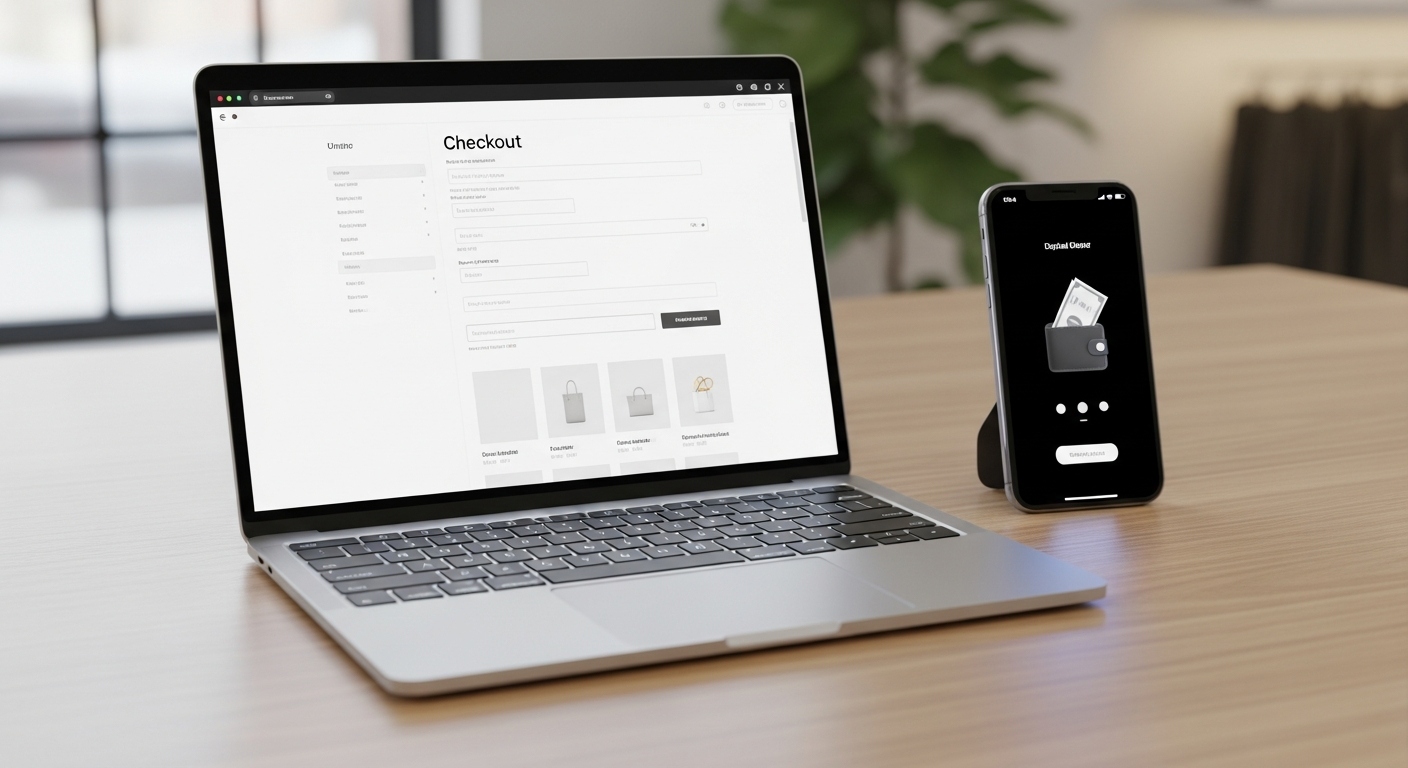
Designing the Digital Storefront That Defines Your Brand
Launching an online store is one of the most exciting moments in modern business. Whether you are selling handmade goods, digital products, fashion, home décor, supplements, or luxury accessories, your website becomes the face of your company. On platforms like Shopify, that face is largely shaped by one thing: your theme. A Shopify theme is much more than a visual template. It controls the structure of your online store, influences customer experience, impacts loading speed, shapes mobile usability, and can even affect conversion rates and search engine rankings. In a crowded eCommerce world where first impressions happen in seconds, choosing the right Shopify theme can dramatically influence how customers perceive your business. Many new store owners make the mistake of selecting a theme purely because it “looks cool.” While aesthetics matter, a successful Shopify theme must balance branding, usability, performance, scalability, and functionality. The right theme creates trust, encourages browsing, and guides customers smoothly toward making a purchase. Understanding how Shopify themes work and how to evaluate them strategically is essential for building a store that not only looks professional but also performs at a high level.
A: It is the design and layout framework that controls how your Shopify store looks and functions.
A: Free themes work well for simple stores, while paid themes offer more features and customization.
A: Focus on mobile design, speed, navigation, product presentation, and brand fit.
A: Yes. Theme speed, mobile usability, code quality, and page structure can all influence SEO performance.
A: No. The best theme is the one that supports your store’s products, goals, and customer experience.
A: Preview the demo on a phone and check menus, product images, buttons, and checkout flow.
A: Not usually. Many themes include drag-and-drop sections and visual settings for easy customization.
A: Clear product pages, strong calls to action, reviews, fast loading, filters, and easy checkout paths.
A: Yes, but switching themes may require reworking layouts, settings, and some app integrations.
A: Choosing a theme only because it looks attractive instead of testing usability, speed, and scalability.
What Is a Shopify Theme?
A Shopify theme is the design framework that controls the appearance and layout of your store. It determines how products are displayed, how navigation functions, where images appear, how pages are organized, and how shoppers interact with your brand online. Themes include templates for product pages, collections, homepages, blogs, shopping carts, and checkout experiences. They also contain styling elements such as fonts, colors, buttons, animations, and spacing. In many ways, the theme acts as the architecture of your digital storefront.
Shopify offers both free and premium themes. Free themes are typically simple, clean, and beginner-friendly, while paid themes often include more advanced customization options, industry-specific layouts, and premium functionality. The important thing to remember is that a theme should support your business goals rather than simply provide decoration. A beautifully designed site that confuses customers or loads slowly can hurt conversions instead of helping them.
Why Shopify Themes Matter More Than Most People Realize
Consumers make decisions quickly online. Within moments of landing on a website, shoppers subconsciously evaluate professionalism, trustworthiness, and usability. Your Shopify theme plays a massive role in all three.
- A polished and responsive theme can immediately make a small business appear established and credible. On the other hand, an outdated or cluttered theme may drive potential buyers away before they even explore your products.
- Themes also affect customer flow. Strategic layouts guide users naturally from discovery to checkout. Product grids, navigation menus, call-to-action buttons, filters, and featured collections all influence how easily shoppers can find what they want.
- Performance is equally important. Themes optimized for speed help reduce bounce rates and improve SEO performance. Since Google prioritizes fast-loading, mobile-friendly websites, the technical quality of your theme matters just as much as visual design.
Modern Shopify themes are also heavily mobile-focused because a huge percentage of eCommerce traffic now comes from smartphones. A theme that performs beautifully on desktop but poorly on mobile can significantly damage sales.
Free vs Premium Shopify Themes
One of the first decisions store owners face is whether to use a free or paid theme. Both options can work effectively depending on the size and complexity of the business.
- Free themes are ideal for startups, small catalogs, and businesses testing new ideas. They are clean, easy to use, and maintained by Shopify. Many successful stores begin with free themes because they reduce startup costs while still providing professional design.
- Premium themes, however, offer additional flexibility and specialized features. These may include advanced filtering systems, mega menus, promotional sections, enhanced product galleries, countdown timers, built-in upselling tools, and more sophisticated layouts.
Businesses with larger inventories or strong branding requirements often benefit from premium themes because they provide more control over the customer experience. Premium themes are particularly valuable for industries such as fashion, beauty, luxury goods, furniture, and lifestyle brands where visual presentation is essential.
The best choice depends on your goals, not your ego. Some entrepreneurs overspend on themes before validating their products, while others stay with overly basic themes long after their businesses outgrow them.
Understanding Your Brand Before Choosing a Theme
Before browsing Shopify themes, it is important to define your brand identity clearly. Your theme should reinforce your brand personality and support the emotions you want customers to experience.
A minimalist skincare company may benefit from soft colors, clean layouts, and spacious product pages. A streetwear brand may need bold typography, dramatic imagery, and energetic navigation. A luxury jewelry store may require elegant transitions, editorial-style visuals, and refined presentation.
The most effective themes align with the overall customer journey. They create consistency between products, messaging, visuals, and shopping experience.
It is also important to consider your target audience. Younger shoppers may appreciate modern animations and interactive layouts, while older audiences may prioritize simplicity and readability. Your theme should reflect how your ideal customers browse and shop online.
Industry-Specific Themes and Why They Matter
Many Shopify themes are designed with specific industries in mind. Choosing a theme tailored to your niche can dramatically improve usability and efficiency.
- Fashion stores often need large imagery, lookbooks, variant swatches, and quick-view functionality.
- Food brands may prioritize storytelling sections, ingredient highlights, and subscription options.
- Technology stores may require specification charts, comparison features, and organized navigation for large catalogs.
- Industry-focused themes already anticipate many of the needs associated with certain product categories. This reduces the need for expensive customization later.
However, entrepreneurs should avoid selecting themes solely based on niche labels. A well-designed theme created for one industry may still work beautifully for another if the structure supports the brand experience you want to create.
Mobile Optimization Is No Longer Optional
Modern eCommerce is mobile-first. Many online stores now receive the majority of their traffic from smartphones and tablets. Because of this, mobile optimization should be one of the top priorities when choosing a Shopify theme.
A strong mobile theme provides smooth navigation, readable typography, fast-loading pages, touch-friendly buttons, and intuitive product browsing. Product images should scale properly, menus should remain organized, and checkout should feel seamless.
Poor mobile experiences frustrate customers quickly. If users must pinch, zoom, or struggle with navigation, they are unlikely to complete purchases.
When evaluating themes, always preview the mobile version carefully. A theme may look stunning on a desktop monitor but fail completely on smaller screens.
Site Speed and Performance
Website speed has become one of the defining factors of successful eCommerce stores. Customers expect pages to load quickly, and delays often result in abandoned sessions.
Some Shopify themes are heavily loaded with animations, scripts, sliders, and visual effects that negatively impact performance. While these features may appear attractive initially, they can slow down the user experience significantly.
Fast themes improve user engagement, SEO rankings, and conversion rates. Shoppers are more likely to stay on sites that respond instantly and feel smooth to navigate.
When choosing a Shopify theme, look for lightweight performance, optimized coding practices, and streamlined design elements. Minimalist themes often outperform overly complex ones in real-world results.
A beautiful store that loads slowly is rarely as effective as a simpler store that performs flawlessly.
Customization Flexibility
Every brand evolves over time. Your Shopify theme should provide enough flexibility to grow alongside your business.
Customization options may include adjustable layouts, homepage sections, color schemes, typography controls, promotional banners, collection displays, and blog integrations. Some themes offer extensive drag-and-drop functionality that allows store owners to make changes without coding knowledge.
Flexibility becomes especially important as businesses expand product lines, launch marketing campaigns, or rebrand over time.
At the same time, too many customization options can overwhelm beginners. The ideal theme balances flexibility with usability, allowing entrepreneurs to create unique experiences without making management unnecessarily difficult.
Product Presentation and Conversion Design
The way products are displayed can significantly influence buying decisions. Strong Shopify themes are designed to maximize product visibility and reduce purchasing friction.
Features like zoomable images, product videos, customer reviews, sticky add-to-cart buttons, size charts, and trust badges help create confidence during the shopping process.
Themes should also support high-quality storytelling. Customers often buy emotionally rather than logically, especially in competitive markets. Themes that allow for immersive imagery, compelling layouts, and brand storytelling help create stronger emotional connections.
Product pages are particularly important because they act as digital salespeople. The best Shopify themes prioritize clean organization, persuasive layouts, and seamless calls to action.
SEO and Shopify Themes
Search engine optimization plays a critical role in long-term eCommerce success. While content and backlinks matter greatly, theme structure also impacts SEO performance.
Well-coded Shopify themes support clean URLs, fast loading times, mobile responsiveness, and proper heading hierarchy. These technical factors help search engines crawl and rank your store effectively.
Themes should also support blogging features, optimized image handling, schema markup, and customizable metadata. Businesses investing in SEO should avoid themes with bloated code or excessive visual elements that slow performance.
A strong Shopify theme creates a technical foundation that supports future organic growth.
User Experience and Navigation
The best Shopify themes make shopping feel effortless. Navigation should feel intuitive, logical, and smooth across every page.
Customers should be able to locate products quickly, filter categories easily, and move between pages naturally. Confusing menus or cluttered layouts increase frustration and reduce sales.
Themes with excellent user experience design prioritize clarity and flow. They simplify decision-making and guide customers toward checkout without distractions.
Navigation becomes even more important for stores with large inventories. Collection organization, predictive search features, filtering systems, and mega menus help shoppers find products faster.
The easier your store is to explore, the more likely visitors are to convert into buyers.
The Importance of Visual Hierarchy
Professional Shopify themes use visual hierarchy to direct customer attention strategically. Elements such as font size, spacing, contrast, and imagery influence what users notice first.
Effective themes highlight important content naturally. Promotional offers, featured products, testimonials, and calls to action stand out without overwhelming the page.
Poor visual hierarchy creates confusion and makes stores feel unprofessional. Overcrowded layouts, inconsistent fonts, and excessive color usage can distract customers from purchasing decisions.
A refined visual hierarchy helps create a premium and trustworthy shopping experience.
Apps and Theme Compatibility
Most Shopify stores eventually rely on third-party apps for features such as email marketing, subscriptions, upselling, reviews, loyalty programs, or analytics.
Before selecting a theme, it is important to evaluate compatibility with the apps you plan to use. Some themes integrate smoothly with popular Shopify tools, while others may create conflicts or performance issues.
Heavy app usage can also slow websites dramatically. Choosing a theme with built-in functionality reduces the need for excessive plugins and helps maintain site speed.
Store owners should think long-term and select themes that support future growth without requiring constant redevelopment.
When Custom Themes Make Sense
As businesses scale, some eventually outgrow standard Shopify themes entirely. Large brands often invest in custom theme development to create fully unique shopping experiences.
Custom themes offer complete design control, advanced functionality, and highly tailored user journeys. However, they also require larger budgets, ongoing maintenance, and developer support.
For many small and medium-sized businesses, premium themes provide more than enough flexibility. Custom development becomes worthwhile when branding, scalability, and functionality requirements exceed what standard themes can reasonably offer.
The key is choosing solutions appropriate for your current business stage rather than chasing unnecessary complexity.
Common Mistakes When Choosing a Shopify Theme
One of the biggest mistakes entrepreneurs make is prioritizing appearance over usability. Themes should look attractive, but functionality must remain the priority.
Another common mistake is selecting themes overloaded with features that are never used. Complex themes often create slower sites and harder management experiences.
Ignoring mobile performance is another major issue. Many store owners preview themes only on desktop devices and fail to test smartphone usability thoroughly.
Businesses also sometimes choose themes without considering future scalability. A theme that works for a 20-product store may become inefficient for a catalog of several thousand products.
Finally, many entrepreneurs underestimate the importance of branding consistency. Themes should reinforce the business identity rather than imitate competitors blindly.
Testing Before Committing
Before fully committing to a Shopify theme, it is wise to spend time testing demos carefully. Explore navigation, preview mobile layouts, review product pages, and analyze loading speed.
Imagine yourself as a customer rather than a business owner.
- Does the experience feel smooth?
- Is the layout intuitive?
- Are products easy to understand?
- Does the site feel trustworthy?
Testing helps identify weaknesses early before major time and money are invested into customization. It is also helpful to review successful stores using the same theme. Seeing how other brands adapt layouts and branding can reveal the theme’s real-world potential.
The Future of Shopify Themes
Shopify themes continue evolving alongside eCommerce trends. Modern themes increasingly focus on speed, modular design, AI integrations, immersive visuals, and personalization.
Consumers now expect seamless experiences across devices, personalized recommendations, and visually engaging storefronts. Themes are adapting to meet those expectations while remaining flexible for businesses of all sizes.
Minimalism and performance optimization are becoming increasingly important as online shoppers prioritize speed and convenience. Themes that combine elegant design with efficient functionality are likely to dominate the future of eCommerce.
Brands that treat their themes as strategic business tools rather than cosmetic add-ons will be positioned more strongly for long-term growth.
Conclusion
Choosing the right Shopify theme is one of the most important decisions an online business can make. A theme influences branding, customer experience, SEO performance, mobile usability, site speed, and ultimately conversions. The best Shopify themes do far more than make stores look attractive. They create trust, improve navigation, simplify shopping, and support business growth over time.
Entrepreneurs should focus on usability, scalability, branding alignment, and technical performance rather than chasing flashy visual trends. A thoughtfully chosen theme creates a strong foundation that allows products and storytelling to shine. In the fast-moving world of eCommerce, where competition is fierce and customer attention spans are short, the right Shopify theme can become a powerful competitive advantage.