The Ultimate Guide to Seasonal Storefront Design
Seasonal storefront design is one of the most powerful yet often underutilized strategies in modern retail and eCommerce. Whether customers are walking past a physical storefront on a busy city street or browsing an online store from their smartphone, first impressions matter. A well-executed seasonal storefront captures attention, creates emotional connections, reinforces brand identity, and encourages shoppers to take action. Throughout the year, consumers experience changing moods, interests, purchasing habits, and shopping priorities. Spring inspires renewal, summer encourages adventure, autumn brings comfort, and winter often centers around celebrations and gift-giving. Successful retailers understand these shifts and adapt their storefronts accordingly. By aligning visual merchandising, promotional messaging, and customer experiences with seasonal trends, businesses can dramatically increase engagement and sales. The most effective seasonal storefronts do more than display products. They tell stories, evoke emotions, and create memorable experiences that inspire customers to explore further. This guide explores everything retailers need to know about seasonal storefront design, from planning and strategy to execution and optimization.
A: It is the process of updating your online store’s visuals, collections, copy, offers, and shopping paths around a timely season, holiday, event, or customer need.
A: No. Many stores can create a seasonal feel with updated banners, collections, product order, featured images, badges, and promotional messaging.
A: Ideally weeks before demand peaks, so your products, creative, email campaigns, ads, and checkout messaging are ready early.
A: A timely hero message, featured seasonal collections, bestsellers, gift guides, bundles, shipping information, and clear calls to action.
A: Use colors that suggest the season while still fitting your brand identity and keeping text easy to read.
A: Feature products with strong seasonal relevance, proven sales potential, healthy inventory, good margins, and clear customer demand.
A: Use natural seasonal keywords in titles, headings, descriptions, collection copy, image alt text, and internal links.
A: Use them only when there is a real deadline, such as a sale ending, inventory drop, event date, or shipping cutoff.
A: Review conversion rate, average order value, cart abandonment, click-through rates, revenue by collection, and performance by traffic source.
A: Decorating the site without improving the shopping journey. Seasonal design should make buying easier, faster, and more compelling.
Why Seasonal Storefront Design Matters
Consumers are constantly exposed to advertising and promotional messages. To stand out in a crowded marketplace, retailers must create visual experiences that feel relevant and timely.
Seasonal storefront design helps businesses maintain freshness throughout the year. Returning customers notice updates and are given new reasons to engage with the brand. Rather than appearing static or outdated, the store feels dynamic and responsive to current events, holidays, and consumer interests.
Seasonal updates also create urgency. Customers understand that seasonal promotions and displays are temporary. This limited-time perception encourages quicker purchasing decisions and increases traffic during important shopping periods.
Beyond increasing sales, seasonal storefront design strengthens emotional connections. When customers associate positive seasonal experiences with a brand, they are more likely to remember the business and return in the future.
Understanding Consumer Psychology and the Seasons
Great storefront design begins with understanding how seasons influence customer behavior.
Different times of the year trigger different emotional responses. Spring is associated with growth, fresh starts, and optimism. Summer often represents freedom, travel, and outdoor activities. Autumn evokes warmth, comfort, and preparation. Winter is frequently connected to celebration, family gatherings, and gift exchanges.
Successful retailers tap into these emotional themes through colors, imagery, messaging, and product presentation.
For example, spring displays often feature bright colors, floral themes, and messaging focused on renewal. Autumn storefronts may incorporate earthy tones, cozy textures, and themes centered around comfort and tradition.
The goal is not simply to decorate according to the season. Instead, retailers should align their products and messaging with the emotions customers are already experiencing.
Building a Seasonal Storefront Strategy
Effective seasonal storefront design does not happen by accident. It requires thoughtful planning and long-term strategy.
Retailers should begin by creating an annual seasonal calendar. This calendar should include major holidays, shopping events, industry-specific opportunities, and seasonal transitions.
Many businesses focus only on large holidays such as Christmas or Black Friday. However, successful brands often take advantage of smaller seasonal moments as well. Back-to-school shopping, spring cleaning season, summer travel periods, and fall home improvement projects all create opportunities for targeted storefront campaigns.
Planning ahead allows retailers to coordinate inventory, marketing campaigns, visual merchandising, and promotional messaging. This consistency creates a seamless customer experience across all touchpoints.
Designing for Spring: Fresh Starts and New Opportunities
Spring represents transformation. Consumers emerge from winter looking for change, improvement, and fresh experiences.
Seasonal storefronts during spring often feature vibrant colors, natural elements, floral imagery, and open layouts. Bright greens, soft blues, yellows, and pastel shades help create an uplifting atmosphere.
Retailers can emphasize themes such as organization, wellness, home refreshes, outdoor living, and personal improvement. Product displays should feel light, clean, and optimistic.
Visual storytelling is particularly effective during spring. Rather than showcasing products individually, successful stores create scenes that represent seasonal lifestyles and aspirations.
Customers should be able to imagine how products fit into their own spring goals and activities.
Summer Storefront Design That Captures Attention
Summer storefronts thrive on energy, excitement, and adventure.
During this season, customers are often focused on vacations, outdoor activities, family gatherings, and leisure experiences. Storefront designs should reflect these priorities through vibrant visuals and engaging displays.
Bold colors, bright lighting, and spacious layouts work particularly well during summer. Product groupings can be organized around seasonal activities such as travel, outdoor entertaining, fitness, or recreation.
Successful summer storefronts frequently create a sense of movement and action. Displays should feel lively and dynamic rather than static.
Promotional messaging can emphasize convenience, enjoyment, exploration, and making the most of the season. Customers respond positively to campaigns that help them envision memorable summer experiences.
Creating Warm and Inviting Autumn Displays
Autumn is one of the most visually rich seasons for storefront design.
As temperatures cool and consumers begin preparing for holidays, they often seek comfort, warmth, and familiarity. Autumn storefronts should embrace these emotional drivers.
Warm color palettes featuring deep oranges, rich browns, golds, and burgundy tones create inviting environments. Natural materials and textured elements help reinforce seasonal authenticity.
Many successful retailers use autumn as an opportunity to tell stories centered around family traditions, cozy living spaces, seasonal cooking, and personal comfort.
Rather than overwhelming customers with decorations, effective autumn storefronts balance seasonal aesthetics with product visibility. Every visual element should support the shopping experience rather than distract from it.
Mastering Winter and Holiday Storefront Design
Winter often represents the most important retail season of the year.
During holiday shopping periods, storefronts face intense competition for customer attention. Exceptional seasonal design can make the difference between attracting shoppers and being overlooked.
Successful winter storefronts focus on creating emotional experiences. Themes of generosity, celebration, family connections, and gift-giving resonate strongly with customers.
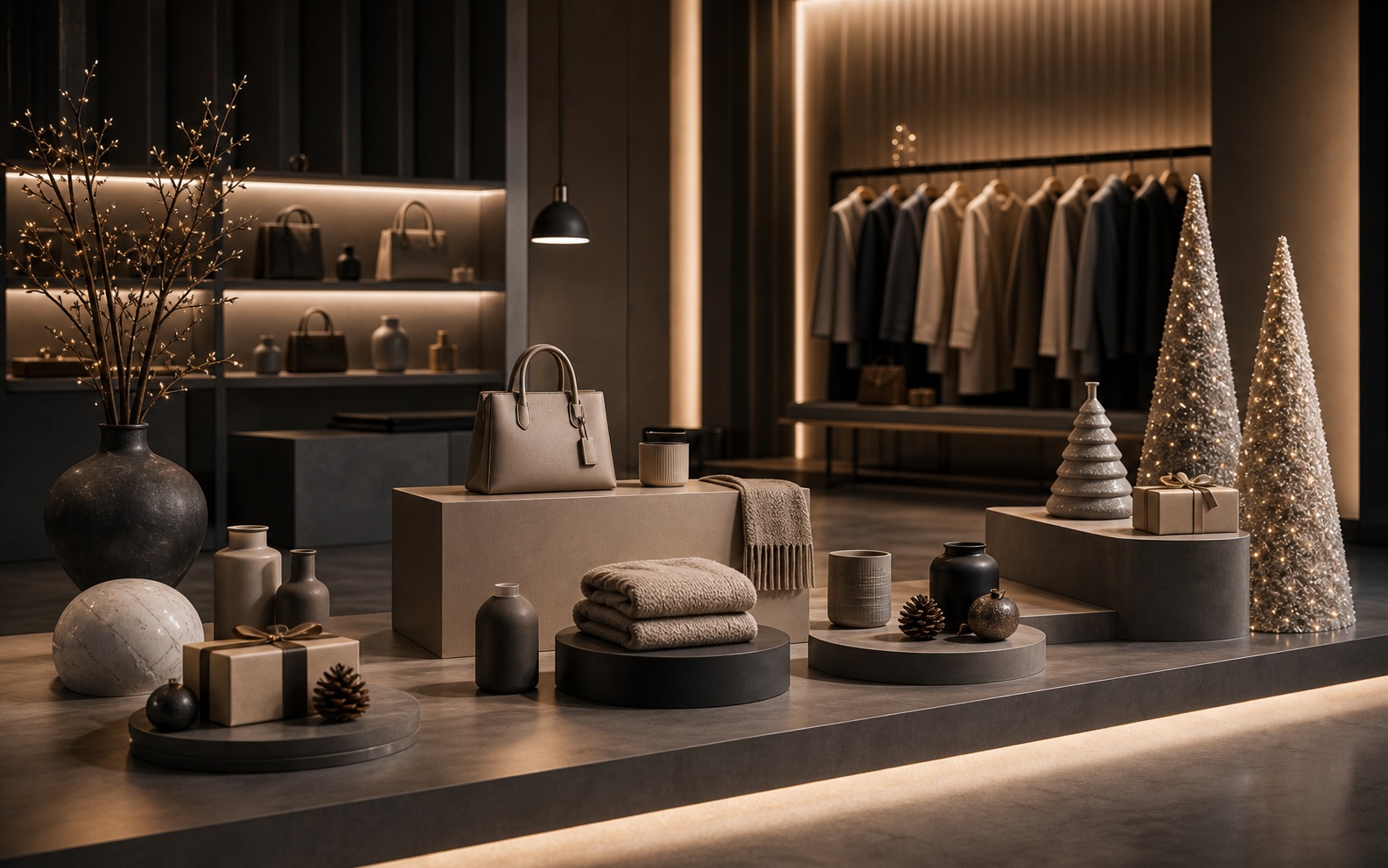
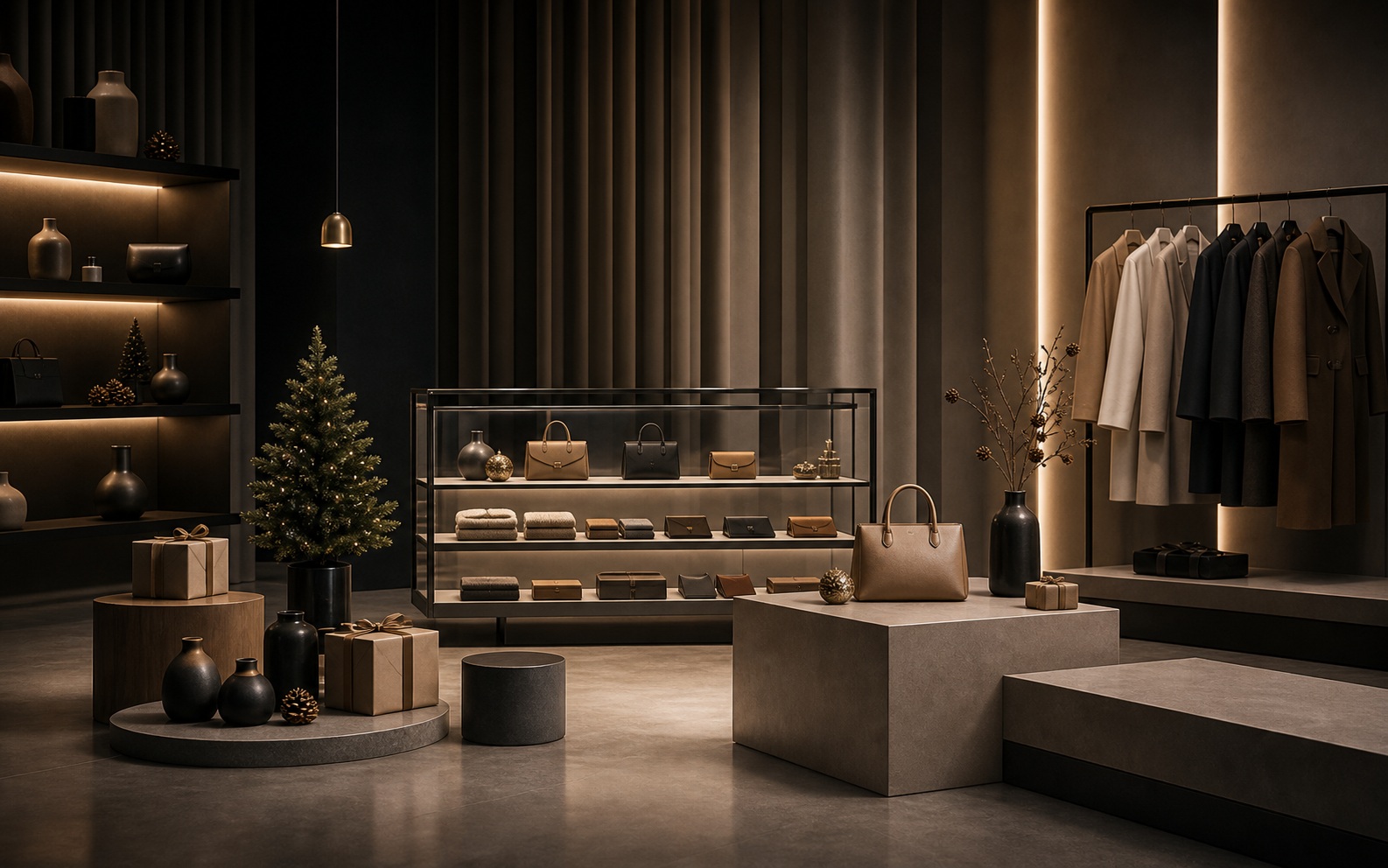
Lighting becomes especially important during winter months. Strategic illumination can create warmth, sophistication, and visual drama. Window displays should capture attention from a distance while inviting closer exploration.
Holiday storefronts should also prioritize clarity. While decorative elements are important, customers must still be able to easily understand promotions, featured products, and purchasing opportunities.
The most effective winter storefronts balance festive excitement with practical shopping functionality.
The Role of Color Psychology in Seasonal Design
Color plays a significant role in seasonal storefront effectiveness.
Each season carries its own visual expectations and emotional associations. Retailers who understand color psychology can create stronger customer connections and improve overall engagement.
Spring often benefits from fresh and energetic colors that symbolize growth and renewal. Summer frequently incorporates bold and vibrant shades that communicate excitement and adventure. Autumn relies on warm and earthy tones that create comfort and familiarity. Winter storefronts often use combinations of rich colors and high-contrast elements to create sophistication and celebration.
While seasonal colors are important, they should always remain consistent with overall brand identity. Successful retailers find ways to embrace seasonal themes without sacrificing brand recognition.
Consistency helps customers recognize and trust the business regardless of the season.
Visual Storytelling That Drives Engagement
The most memorable seasonal storefronts tell stories.
Customers are naturally drawn to narratives because stories create emotional engagement. Instead of simply displaying products, successful retailers create scenes and experiences that invite customers into a seasonal journey.
A home décor retailer might create a cozy autumn living room display. A fashion store may showcase an entire summer travel experience. A specialty food retailer could build a holiday entertaining theme around featured products.
These visual narratives help customers imagine themselves using the products. The result is stronger emotional investment and increased purchasing intent.
Storytelling transforms storefronts from product showcases into immersive experiences.
Window Displays That Stop Traffic
For physical retailers, window displays remain one of the most powerful seasonal marketing tools available.
A compelling window display functions as a silent salesperson. It captures attention, communicates value, and encourages customers to enter the store.
Successful seasonal window displays focus on a single clear concept rather than attempting to showcase everything at once. Simplicity often creates stronger impact than clutter.
Visual hierarchy is essential. Customers should immediately understand the primary message before noticing supporting details.
Lighting, color contrast, focal points, and product placement all contribute to effective window display design. When executed properly, window displays generate curiosity and increase foot traffic.
Applying Seasonal Design to Online Storefronts
Seasonal storefront design is equally important in eCommerce.
Online shoppers form impressions within seconds of arriving on a website. Seasonal updates signal that the store is active, current, and engaged with customer interests.
Homepage banners, promotional graphics, featured collections, navigation elements, and product recommendations can all reflect seasonal themes.
Successful online retailers update messaging, imagery, and featured products to align with seasonal shopping motivations. For example, a summer campaign may focus on travel essentials while a holiday campaign emphasizes gift guides and special promotions.
The key is maintaining usability while introducing seasonal freshness. Customers should enjoy a visually engaging experience without encountering distractions that complicate navigation.
Balancing Creativity and Functionality
One of the biggest mistakes retailers make is prioritizing decoration over functionality.
While creative seasonal designs attract attention, they should never interfere with the shopping experience. Customers must still be able to easily find products, understand promotions, and complete purchases.
The most effective storefronts achieve a balance between aesthetics and usability. Seasonal elements enhance product visibility rather than compete with it.
Every design decision should support business objectives. Decorative features should guide customer attention toward products and purchasing opportunities.
When creativity and functionality work together, seasonal storefronts become powerful sales tools.
Measuring Seasonal Storefront Performance
Successful retailers treat storefront design as an ongoing optimization process.
Performance metrics help determine which seasonal strategies produce the best results. Physical retailers can track foot traffic, conversion rates, average transaction values, and sales performance during seasonal campaigns.
Online retailers can measure bounce rates, session duration, click-through rates, conversions, and revenue generated from seasonal landing pages.
Customer feedback also provides valuable insights. Understanding how shoppers respond to seasonal displays helps guide future improvements.
By analyzing performance data, retailers can identify successful themes, messaging strategies, and design approaches that should be repeated or refined.
Common Seasonal Storefront Mistakes to Avoid
Many seasonal campaigns fail because retailers overlook important fundamentals.
One common mistake is implementing seasonal themes too late. Customers often begin seasonal shopping weeks or even months before major holidays and events.
Another frequent issue is excessive clutter. Overloading storefronts with decorations can overwhelm shoppers and reduce product visibility.
Inconsistent branding can also create confusion. Seasonal elements should enhance brand identity rather than replace it.
Finally, some retailers neglect to update storefronts frequently enough. Outdated seasonal displays can make businesses appear inattentive and disconnected from current customer interests.
Avoiding these mistakes helps maintain professionalism and maximize seasonal impact.
The Future of Seasonal Storefront Design
As consumer expectations continue evolving, seasonal storefront design is becoming more sophisticated.
Retailers are increasingly combining physical and digital experiences to create seamless customer journeys. Interactive displays, personalized recommendations, and data-driven merchandising strategies are shaping the future of seasonal retail experiences.
Sustainability is also becoming an important consideration. Many brands are adopting reusable display materials and environmentally conscious design practices.
Technology will continue to influence seasonal storefront innovation, but the core objective remains unchanged: creating meaningful experiences that connect with customers and inspire action.
Conclusion
Seasonal storefront design is far more than decoration. It is a strategic tool that influences customer perceptions, strengthens brand identity, increases engagement, and drives sales.
The most successful retailers understand the emotional power of the seasons and use that knowledge to create memorable shopping experiences. By aligning design, messaging, merchandising, and customer expectations, businesses can transform ordinary storefronts into compelling destinations.
Whether operating a physical retail location, an online store, or both, investing in seasonal storefront design offers significant opportunities for growth. Thoughtful planning, strong visual storytelling, consistent branding, and ongoing optimization create storefront experiences that capture attention and convert visitors into loyal customers.
In an increasingly competitive retail landscape, businesses that embrace seasonal design strategies position themselves to remain relevant, engaging, and profitable throughout the entire year. The seasons change, customer needs evolve, and shopping habits shift—but a well-designed seasonal storefront ensures that a brand stays connected to its audience every step of the way.