How Mobile Shopping Is Transforming eCommerce
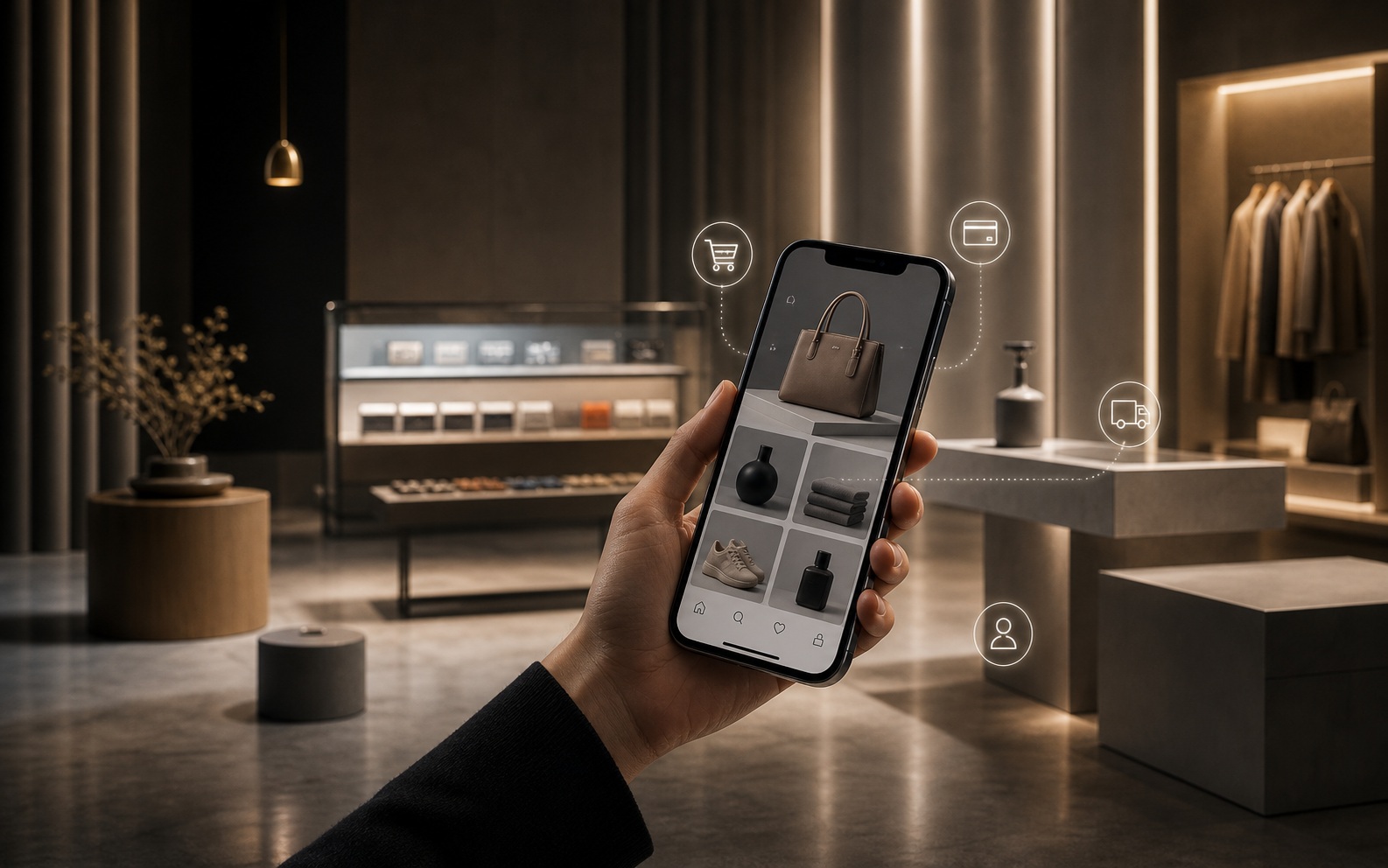
The eCommerce industry has experienced extraordinary growth over the past decade, but one development has transformed online retail more dramatically than any other: the rise of mobile shopping. What was once considered a convenient alternative to desktop browsing has become the dominant force shaping how consumers discover products, compare prices, interact with brands, and complete purchases. Today, smartphones are no longer just communication devices. They have evolved into powerful shopping tools that accompany consumers throughout every stage of the buying journey. From researching products during a lunch break to completing purchases while relaxing at home, mobile devices have fundamentally changed how people engage with digital commerce. This shift has created enormous opportunities for retailers while simultaneously raising customer expectations. Modern shoppers demand convenience, speed, personalization, and seamless experiences across every touchpoint. Businesses that embrace mobile-first strategies are thriving, while those that fail to adapt risk losing customers to more agile competitors. Mobile shopping is not merely influencing eCommerce—it is redefining it. Consumer behavior, marketing strategies, website design, payment technologies, customer service, and retail innovation are all evolving because of the growing importance of mobile commerce. This article explores how mobile shopping is transforming eCommerce, the technologies driving this change, and what retailers must do to succeed in an increasingly mobile-first world.
A: It makes shopping faster, more convenient, more social, and available wherever customers discover products.
A: Many shoppers browse and buy on phones, so the store must be easy to use on small screens.
A: Fast loading, clear product pages, easy navigation, large buttons, reviews, simple carts, and express checkout.
A: They reduce typing and allow shoppers to pay quickly with saved information.
A: Social commerce turns content, creators, communities, and videos into product discovery and buying channels.
A: AI can improve search, recommendations, chat support, personalization, merchandising, and product discovery.
A: Yes, when they offer loyalty rewards, faster checkout, exclusive drops, tracking, personalization, or repeat-purchase convenience.
A: Making shoppers type too much, search for information, fix confusing errors, or complete too many steps.
A: It supports local inventory checks, pickup, returns, QR codes, loyalty accounts, and in-store research.
A: Mobile shopping rewards brands that make every step faster, clearer, more personal, and easier to trust.
The Rise of Mobile Commerce
The growth of mobile shopping represents one of the most significant shifts in retail history.
As smartphones became more affordable, powerful, and widely adopted, consumers gained constant access to online shopping opportunities. Unlike desktop computers, mobile devices travel everywhere with their users, making shopping possible at virtually any moment.
This accessibility has fundamentally changed purchasing behavior. Consumers no longer wait until they reach a computer to browse products or complete purchases. Instead, shopping has become integrated into everyday life.
People research products while commuting, compare prices inside physical stores, watch product demonstrations on social media, and place orders while standing in line at coffee shops.
Mobile commerce has removed many of the traditional limitations associated with online shopping.
The result is a retail environment where purchasing decisions can happen anytime and anywhere.
Convenience Is Driving Consumer Adoption
Convenience remains one of the primary reasons mobile shopping continues growing.
Consumers increasingly value speed and efficiency. Mobile devices allow them to browse products, read reviews, track orders, and complete purchases without disrupting their daily routines.
Shopping no longer requires dedicated time or specific locations.
A consumer can discover a product through social media, research it immediately, compare alternatives, and complete the purchase within minutes.
This seamless integration into daily life has transformed shopping from a planned activity into an ongoing experience.
Retailers that prioritize convenience consistently outperform competitors because they align with modern consumer expectations.
Convenience has become one of the most powerful competitive advantages in digital retail.
Mobile Shopping Has Changed the Customer Journey
The traditional customer journey has evolved significantly due to mobile technology.
Previously, consumers often followed relatively predictable paths toward purchase. They discovered products through advertising, visited stores or websites, conducted research, and eventually completed transactions.
Today, mobile devices create far more dynamic customer journeys.
A shopper may discover a product through a social media post, research it through a search engine, watch review videos, compare prices using multiple apps, visit a physical store, and complete the purchase through a mobile website.
These journeys are rarely linear.
Mobile technology enables customers to move fluidly between channels and touchpoints, creating more complex but highly personalized shopping experiences.
Understanding these evolving behaviors has become essential for modern retailers.
The Shift Toward Mobile-First Design
As mobile shopping continues growing, retailers have been forced to rethink website design strategies.
In the past, websites were often designed primarily for desktop users and later adapted for mobile devices. This approach is no longer sufficient.
Today’s most successful eCommerce businesses embrace mobile-first design principles. They prioritize the smartphone experience from the beginning of the development process.
Mobile-first design focuses on speed, simplicity, usability, and responsiveness. Navigation must be intuitive, buttons must be easy to tap, and content must display effectively on smaller screens.
Every element should support seamless interaction.
Businesses that optimize for mobile users often see improvements in engagement, conversion rates, and customer satisfaction.
The future of eCommerce belongs to brands that design with mobile users in mind.
Faster Purchasing Through Mobile Payment Technology
One of the biggest factors driving mobile commerce growth is the evolution of payment technology.
Traditional checkout processes often involved multiple forms, lengthy data entry, and significant friction. Mobile payment innovations have simplified these experiences dramatically.
Digital wallets, one-click purchasing options, and secure payment solutions allow consumers to complete transactions quickly and conveniently.
The ability to save payment information securely reduces checkout complexity and encourages impulse purchases.
Consumers increasingly expect payment experiences that are fast, intuitive, and secure.
Retailers that provide seamless payment options reduce cart abandonment and increase conversion rates.
The easier it is to pay, the more likely customers are to complete purchases.
Mobile Apps Are Creating Stronger Customer Relationships
Mobile apps have become powerful tools for customer engagement and retention.
Unlike websites, apps provide direct access to consumers through their smartphones. This creates opportunities for ongoing communication and personalized experiences.
Retail apps can offer exclusive promotions, personalized recommendations, loyalty rewards, and real-time notifications.
Customers often engage more frequently with brands that provide valuable app experiences.
Apps also support faster browsing, simplified purchasing, and improved account management.
For many retailers, mobile apps have evolved from optional features into essential components of customer relationship strategies.
They create deeper connections while increasing customer lifetime value.
Personalization Is Becoming More Powerful
Mobile devices generate valuable data that enables retailers to deliver highly personalized experiences.
Every interaction provides insights into customer preferences, browsing behavior, purchasing habits, and engagement patterns.
Retailers can use this information to recommend products, tailor promotions, and create individualized shopping experiences.
Personalization increases relevance, making it easier for customers to discover products that align with their interests.
Consumers increasingly expect brands to understand their preferences and provide meaningful recommendations.
Mobile shopping has accelerated this trend by providing retailers with rich behavioral data.
The future of eCommerce will become increasingly personalized and customer-centric.
Social Media and Mobile Shopping Are Converging
Social media platforms have become important shopping destinations.
Consumers frequently discover products through social content, influencer recommendations, and brand storytelling.
Mobile devices make it easy to transition from discovery to purchase without interrupting the browsing experience.
Many social platforms now offer integrated shopping features that allow users to browse products and complete purchases directly within apps.
This convergence of social engagement and commerce is reshaping customer acquisition strategies.
Retailers are increasingly investing in content-driven shopping experiences that combine entertainment, education, and purchasing opportunities.
Social commerce is transforming how products are discovered and purchased.
Mobile Shopping Encourages Impulse Purchases
The accessibility of smartphones has increased opportunities for impulse buying.
Consumers carry shopping capabilities with them at all times, making spontaneous purchases easier than ever.
Limited-time offers, personalized recommendations, social media promotions, and push notifications can all influence purchasing decisions in real time.
The ability to move quickly from interest to checkout reduces the likelihood of hesitation.
Retailers that create streamlined mobile experiences often benefit from increased impulse purchasing behavior.
Convenience and accessibility make mobile commerce particularly effective for driving immediate action.
The distance between product discovery and purchase continues shrinking.
Augmented Reality Is Enhancing Mobile Shopping
One of the biggest challenges in online retail has always been the inability to physically interact with products.
Augmented reality is helping solve this problem.
Using smartphone cameras and advanced software, consumers can visualize products within real-world environments before making purchases.
Furniture retailers allow customers to see how items fit within their homes. Beauty brands offer virtual makeup trials. Fashion companies provide virtual fitting experiences.
These technologies reduce uncertainty and improve purchasing confidence.
As augmented reality becomes more sophisticated and accessible, it will play an increasingly important role in mobile commerce.
The boundary between digital and physical shopping experiences continues to blur.
Voice Search Is Influencing Mobile Commerce
Voice technology is changing how consumers interact with mobile devices.
Increasingly, shoppers use voice assistants to search for products, ask questions, and gather information.
Voice search introduces new opportunities and challenges for retailers.
Businesses must optimize content for conversational queries and ensure product information remains accessible through voice-driven experiences.
As voice recognition technology improves, voice commerce may become a more significant component of mobile shopping.
Consumers value convenience, and voice interactions offer hands-free efficiency.
Retailers that prepare for voice-driven shopping behaviors will gain competitive advantages as adoption increases.
Mobile Shopping Supports Omnichannel Retail
Modern consumers rarely separate online and offline shopping experiences.
Mobile devices serve as bridges connecting digital and physical retail environments.
Customers often use smartphones while visiting stores to compare prices, read reviews, check inventory, and access promotions.
Retailers increasingly use mobile technology to support buy-online-pickup-in-store programs, loyalty initiatives, and location-based marketing.
The integration of channels creates more cohesive customer experiences.
Mobile commerce supports omnichannel strategies by providing continuous access to products, information, and services.
Consumers expect flexibility, and mobile devices make that flexibility possible.
Customer Expectations Continue Rising
As mobile shopping becomes more sophisticated, customer expectations continue increasing.
Consumers expect fast-loading pages, personalized recommendations, seamless navigation, and frictionless checkout experiences.
They compare every retail experience not only against direct competitors but against the best digital experiences they encounter elsewhere.
This means retailers must continuously improve their mobile offerings.
Slow websites, confusing navigation, and poor mobile usability can quickly drive customers away.
Success increasingly depends on delivering exceptional experiences consistently.
Customer expectations are shaping the future of digital retail.
Data and Analytics Are Driving Better Decisions
Mobile commerce generates enormous amounts of valuable data.
Retailers can analyze customer behavior, identify trends, optimize marketing campaigns, and improve product recommendations.
Data-driven decision-making enables businesses to respond more effectively to changing consumer preferences.
Analytics help identify friction points, understand purchasing patterns, and uncover growth opportunities.
The ability to transform data into actionable insights has become a major competitive advantage.
Mobile shopping provides retailers with unprecedented visibility into customer behavior.
Businesses that leverage these insights effectively can create stronger experiences and achieve better outcomes.
Challenges of Mobile Commerce
Despite its advantages, mobile commerce presents challenges.
Smaller screens require careful design considerations. Security concerns must be addressed proactively. Competition for consumer attention continues intensifying.
Retailers must balance personalization with privacy expectations while maintaining transparency and trust.
Technology evolves rapidly, requiring ongoing investment and adaptation.
Success requires continuous optimization rather than one-time improvements.
Businesses that remain flexible and customer-focused are best positioned to overcome these challenges.
Innovation must be balanced with usability and reliability.
The Future of Mobile Shopping
The future of mobile commerce is incredibly promising.
Advances in artificial intelligence, augmented reality, voice technology, predictive analytics, and personalization will continue transforming shopping experiences.
Consumers will increasingly expect frictionless interactions that anticipate their needs and simplify purchasing decisions.
Mobile devices will remain central to these experiences because they provide constant connectivity and convenience.
Retailers that embrace innovation while maintaining strong customer focus will lead the next era of digital commerce.
The future of shopping is mobile, intelligent, personalized, and deeply integrated into everyday life.
Businesses that recognize this reality today will be better prepared for tomorrow’s opportunities.
Conclusion
Mobile shopping has transformed eCommerce in profound ways, reshaping how consumers discover products, interact with brands, and complete purchases. Smartphones have become powerful retail tools that enable shopping anytime, anywhere, creating unprecedented convenience and accessibility.
From mobile-first website design and personalized recommendations to digital payments, social commerce, augmented reality, and omnichannel experiences, mobile technology continues driving innovation across the retail industry. Consumer expectations are rising alongside these advancements, pushing businesses to deliver faster, smarter, and more engaging experiences.
The retailers that thrive in this environment will be those that view mobile commerce as more than just another sales channel. They will recognize it as the foundation of modern customer experiences and invest accordingly.
As technology continues evolving, mobile shopping will become even more integrated into daily life. The line between digital and physical retail will continue fading, creating opportunities for brands to connect with customers in new and meaningful ways.
The transformation is already underway. Mobile shopping is not merely changing eCommerce—it is defining its future.