What Is Mobile Shopping? A Complete Guide for Online Retailers
The retail world has undergone a remarkable transformation over the past decade, and at the center of that transformation is mobile shopping. What was once a convenience reserved for early technology adopters has evolved into one of the most influential forces in global commerce. Today, consumers use smartphones and tablets not only to communicate and access information but also to discover products, compare prices, read reviews, engage with brands, and complete purchases from virtually anywhere. For online retailers, mobile shopping is no longer a trend to monitor—it is a fundamental part of modern business strategy. Consumers increasingly expect fast, intuitive, and seamless shopping experiences on mobile devices. Retailers that fail to meet these expectations risk losing customers to competitors that prioritize mobile-first experiences. The rise of mobile shopping has reshaped customer behavior, influenced purchasing decisions, and transformed how businesses approach eCommerce. Mobile devices now serve as gateways to entire retail ecosystems, connecting customers with products and brands at every stage of the buying journey. Understanding mobile shopping and its impact on digital commerce is essential for retailers seeking long-term growth. This guide explores what mobile shopping is, how it works, why it matters, and what businesses must do to succeed in an increasingly mobile-driven marketplace.
A: Mobile shopping is browsing, comparing, and buying products through smartphones or tablets.
A: It influences discovery, product research, checkout, repeat purchases, customer service, and post-purchase engagement.
A: Fast pages, clear images, readable text, simple navigation, large buttons, easy search, and quick checkout.
A: Simplify pages, speed up loading, add express payments, show reviews, reduce form fields, and make checkout easier.
A: Not always, but apps can help with loyalty, repeat purchases, personalization, tracking, rewards, and exclusive offers.
A: It means designing the shopping experience for phone users first, then adapting it for larger screens.
A: They reduce typing and allow shoppers to pay quickly with saved payment and shipping details.
A: It turns social content, creators, communities, and videos into product discovery and buying channels.
A: Treating mobile as an afterthought instead of designing around small screens, speed, trust, and convenience.
A: To make buying from a phone feel fast, easy, secure, and natural.
Defining Mobile Shopping
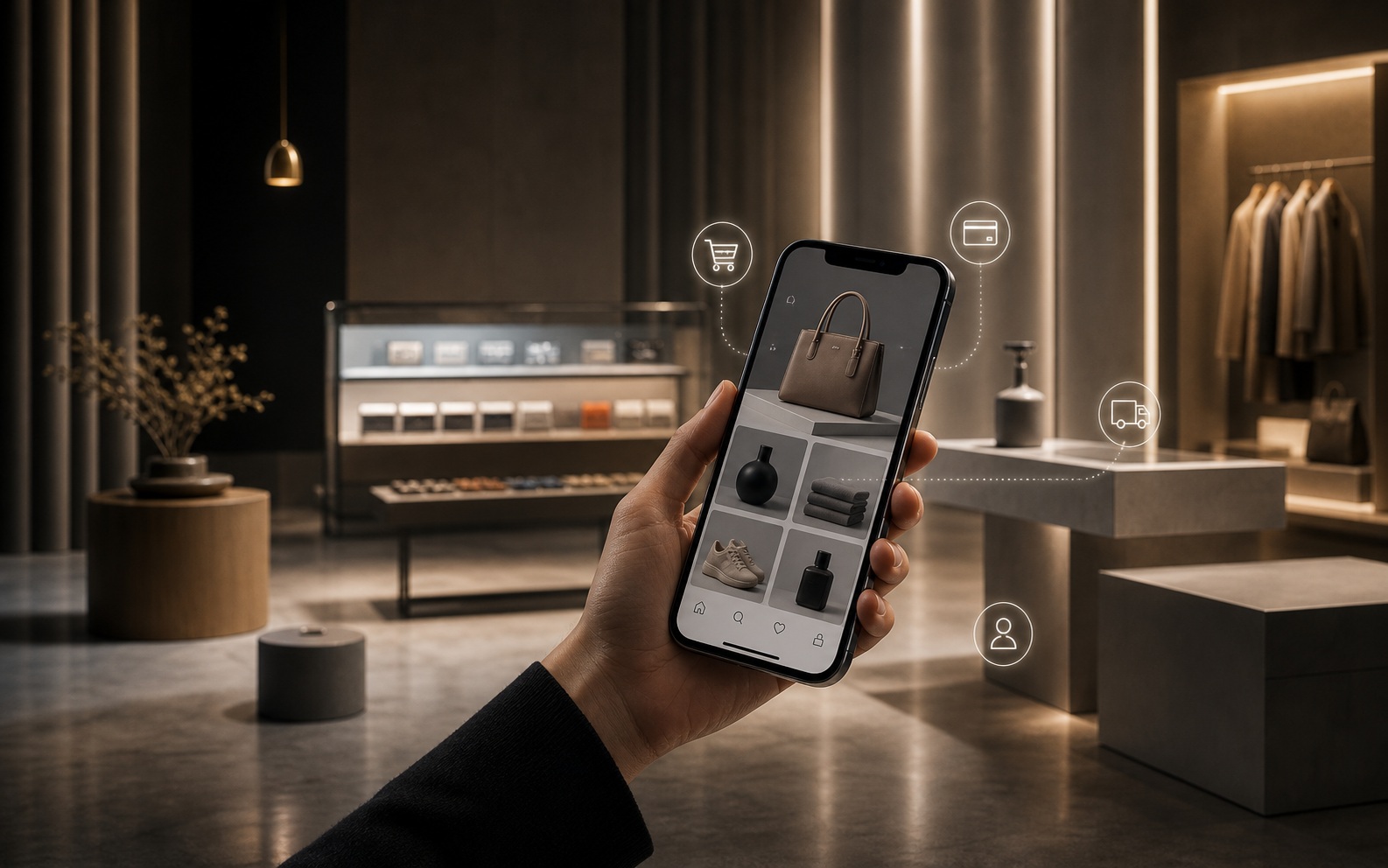
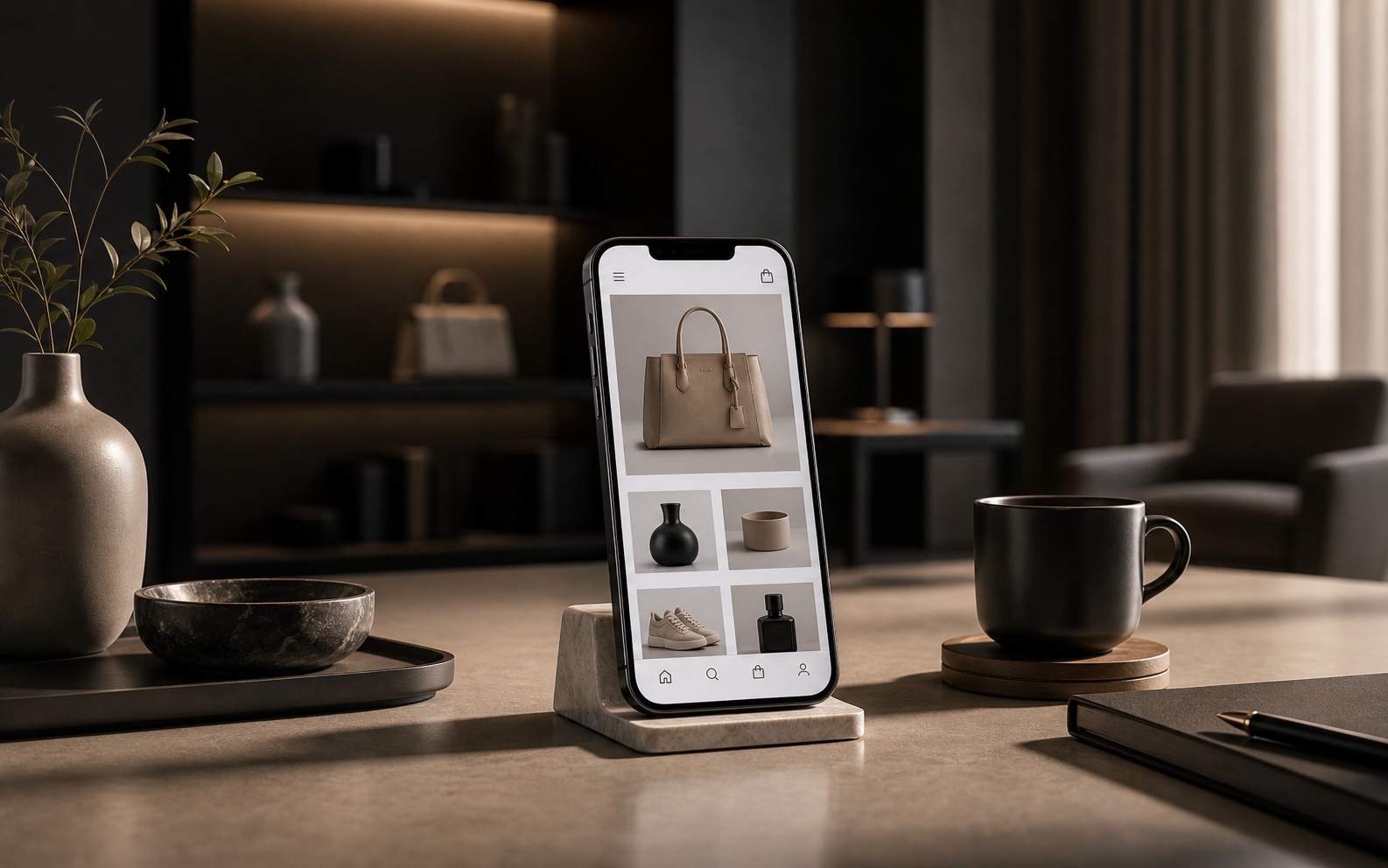
Mobile shopping refers to the process of browsing, researching, comparing, and purchasing products or services using mobile devices such as smartphones and tablets.
Unlike traditional online shopping that primarily occurs on desktop computers, mobile shopping allows consumers to engage with retailers wherever they happen to be. Customers can explore products while commuting, waiting in line, relaxing at home, or even shopping inside physical stores.
Mobile shopping encompasses a wide variety of activities. It includes browsing mobile websites, using dedicated shopping apps, purchasing through social media platforms, interacting with mobile advertisements, and completing transactions through digital payment systems.
The convenience and accessibility of mobile devices have made shopping an integrated part of everyday life rather than a separate activity requiring dedicated time and location.
As mobile technology continues evolving, mobile shopping has become one of the most important segments of the global retail industry.
The Evolution of Mobile Commerce
Mobile shopping did not emerge overnight.
In the early days of eCommerce, most online purchases occurred through desktop computers. Mobile devices lacked the processing power, screen quality, internet speeds, and user interfaces necessary for seamless shopping experiences.
As smartphones became more advanced, consumers gradually began using them for product research and occasional purchases.
The introduction of faster mobile networks, responsive website design, mobile applications, secure payment technologies, and digital wallets accelerated adoption significantly.
Retailers recognized that mobile traffic was increasing rapidly and began investing in mobile-friendly experiences.
Today, mobile commerce has evolved into a primary shopping channel for millions of consumers worldwide. Many online stores now receive the majority of their traffic from mobile devices.
The evolution continues as emerging technologies create even more sophisticated shopping experiences.
Why Mobile Shopping Matters
Mobile shopping matters because it aligns perfectly with modern consumer lifestyles.
People carry their smartphones almost everywhere. These devices provide constant access to information, communication, entertainment, and commerce.
This accessibility has fundamentally changed shopping behavior. Consumers no longer need to wait until they are at home or in front of a computer to browse products or make purchases.
Shopping can happen instantly whenever interest arises.
For retailers, this creates unprecedented opportunities to engage customers throughout the day. Brands can reach consumers during moments of inspiration, need, curiosity, or intent.
Mobile shopping also supports impulse purchases by reducing barriers between product discovery and checkout.
Businesses that embrace mobile commerce position themselves to capture customer attention and revenue opportunities more effectively.
How Mobile Shopping Changes Consumer Behavior
Mobile devices have transformed how consumers approach purchasing decisions.
Traditionally, shoppers often followed linear buying journeys. They discovered products, conducted research, visited stores, and completed purchases through relatively predictable processes.
Mobile technology has made these journeys more dynamic.
Consumers now move fluidly between channels and touchpoints. They may discover products through social media, compare prices through search engines, watch review videos, visit physical stores, and complete purchases through mobile apps.
Research and purchasing frequently occur simultaneously.
Customers expect immediate access to information and instant gratification. They want answers quickly, recommendations tailored to their needs, and seamless transitions between discovery and purchase.
These changing behaviors require retailers to rethink how they engage and support customers.
The Importance of Mobile-Friendly Websites
A mobile-friendly website is one of the most critical components of a successful mobile shopping strategy.
When consumers visit an online store using a smartphone, they expect an experience optimized for smaller screens and touch-based navigation.
A mobile-friendly website adapts automatically to different screen sizes and device types. Content remains readable, buttons remain easy to tap, and navigation remains intuitive.
Poor mobile experiences can significantly impact conversion rates. Slow loading times, difficult navigation, and unresponsive layouts often cause visitors to abandon websites.
Successful retailers prioritize mobile usability because customer expectations continue rising.
A mobile-friendly website is no longer optional—it is a requirement for competing effectively in today’s digital marketplace.
Mobile Apps and Their Growing Influence
While mobile websites remain important, dedicated shopping apps offer additional opportunities for engagement and retention.
Apps provide faster performance, personalized experiences, and direct communication channels through push notifications.
Many retailers use apps to strengthen customer relationships by offering exclusive promotions, loyalty rewards, personalized recommendations, and streamlined purchasing experiences.
Apps often encourage repeat engagement because they remain visible on customers’ devices.
They also provide valuable behavioral insights that support personalization efforts.
For businesses with established customer bases, mobile apps can become powerful tools for driving revenue and increasing customer lifetime value.
As consumer expectations evolve, mobile apps continue playing an increasingly important role in digital retail strategies.
Mobile Payment Technologies
The success of mobile shopping depends heavily on convenient payment systems.
Consumers expect checkout processes to be fast, secure, and frictionless.
Traditional payment methods often required significant data entry and multiple steps. Modern mobile payment technologies simplify transactions dramatically.
Digital wallets, one-click purchasing options, and secure payment integrations reduce checkout friction and improve conversion rates.
Consumers appreciate payment experiences that save time and minimize effort.
Retailers benefit from lower cart abandonment rates and improved customer satisfaction.
Payment innovation remains a major driver of mobile commerce growth because convenience influences purchasing decisions significantly.
The easier it is to pay, the more likely customers are to complete transactions.
Social Media and Mobile Shopping
Social media platforms have become major contributors to mobile shopping growth.
Consumers increasingly discover products through social content, influencer recommendations, and brand storytelling.
Mobile devices make it easy to transition from product discovery to purchase within seconds.
Many social platforms now include integrated shopping features that allow users to browse products and complete purchases without leaving the app.
This convergence of content and commerce has transformed customer acquisition strategies.
Brands use social media not only for marketing but also for direct sales.
The ability to combine engagement, inspiration, and purchasing opportunities within a single mobile environment creates powerful retail experiences.
Social commerce continues expanding rapidly.
Personalization in Mobile Shopping
One of the most significant advantages of mobile commerce is the ability to deliver personalized experiences.
Mobile devices generate valuable data regarding customer preferences, browsing behavior, purchase history, and engagement patterns.
Retailers can use this information to create tailored recommendations and relevant promotional experiences.
Personalization helps customers discover products more efficiently while increasing satisfaction.
Consumers increasingly expect brands to understand their preferences and anticipate their needs.
Retailers that deliver personalized experiences often achieve higher conversion rates and stronger customer loyalty.
The future of mobile shopping will become even more personalized as artificial intelligence and machine learning technologies continue advancing.
The Role of Artificial Intelligence
Artificial intelligence is transforming mobile shopping in powerful ways.
AI-powered recommendation systems help customers discover relevant products based on behavior and preferences.
Chatbots provide instant assistance and answer customer questions.
Predictive analytics help retailers anticipate demand and optimize marketing efforts.
AI also enhances personalization by continuously learning from customer interactions.
As technology improves, AI will play an even larger role in shaping mobile shopping experiences.
Consumers increasingly expect intelligent recommendations and personalized support.
Retailers that leverage AI effectively can create more engaging, efficient, and profitable customer journeys.
Artificial intelligence is becoming a core component of modern digital retail.
Augmented Reality and Mobile Commerce
One of the challenges of online shopping is the inability to physically interact with products.
Augmented reality helps overcome this limitation.
Using smartphone cameras and advanced software, consumers can visualize products within real-world environments before making purchases.
Furniture retailers allow customers to preview items in their homes. Fashion brands provide virtual fitting experiences. Beauty companies offer digital makeup trials.
These experiences increase purchasing confidence by reducing uncertainty.
Augmented reality helps bridge the gap between physical and digital retail.
As smartphone capabilities continue improving, AR technology will become increasingly common in mobile commerce.
The shopping experience will become more interactive and immersive.
Mobile Shopping and Omnichannel Retail
Modern consumers rarely separate online and offline shopping experiences.
Mobile devices play a central role in connecting these channels.
Customers frequently use smartphones while shopping in physical stores to compare prices, access product information, and read reviews.
Retailers increasingly support omnichannel experiences such as buy-online-pickup-in-store programs, loyalty integration, and real-time inventory visibility.
Mobile technology helps create continuity across customer touchpoints.
Successful retailers recognize that customers expect seamless transitions between digital and physical experiences.
Omnichannel strategies supported by mobile devices improve convenience and customer satisfaction.
The future of retail will continue emphasizing integration rather than separation.
Common Challenges in Mobile Shopping
Despite its advantages, mobile commerce presents several challenges.
Smaller screens require thoughtful design and content presentation.
Website performance remains critical because mobile users often have less patience for delays.
Security concerns must be addressed proactively to maintain customer trust.
Competition for attention is intense, making user experience optimization increasingly important.
Retailers must also balance personalization efforts with privacy expectations.
Success requires ongoing adaptation and continuous improvement.
Businesses that prioritize customer needs and remain flexible are best positioned to overcome these challenges.
Mobile commerce rewards organizations committed to innovation and excellence.
Mobile Shopping Best Practices for Retailers
Successful mobile shopping experiences share several characteristics.
They prioritize speed, simplicity, and usability. Navigation remains intuitive, content loads quickly, and checkout processes minimize friction.
Retailers should optimize product pages for mobile viewing, simplify forms, and support multiple payment options.
Personalization should enhance relevance without becoming intrusive.
Regular testing helps identify usability issues and improvement opportunities.
Customer feedback provides valuable insights into evolving expectations.
The most effective mobile commerce strategies focus on creating enjoyable, efficient experiences that encourage repeat engagement.
Customer convenience should remain the primary objective.
The Future of Mobile Shopping
The future of mobile shopping is incredibly promising.
Advances in artificial intelligence, augmented reality, voice technology, predictive analytics, and payment systems will continue transforming retail experiences.
Consumers will expect even greater personalization, faster transactions, and more immersive interactions.
Mobile devices will remain central to these developments because they provide constant connectivity and accessibility.
Retailers that embrace innovation while maintaining customer trust will thrive in this evolving landscape.
Mobile commerce is becoming increasingly integrated into everyday life, making shopping more convenient and intuitive than ever before.
The transformation is far from complete.
Conclusion
Mobile shopping has become one of the most important forces shaping the future of eCommerce. What began as a convenient alternative to desktop shopping has evolved into a dominant channel influencing how consumers discover products, engage with brands, and complete purchases.
Through mobile-friendly websites, shopping apps, personalized experiences, social commerce, digital payments, artificial intelligence, and augmented reality, retailers are creating more dynamic and customer-centric experiences than ever before.
Consumers increasingly expect convenience, speed, and relevance in every interaction. Businesses that prioritize mobile shopping strategies are better positioned to meet these expectations and build stronger customer relationships.
As technology continues advancing, mobile commerce will become even more integrated into daily life. Retailers that embrace mobile-first thinking today will be best prepared for tomorrow’s opportunities.
For online retailers, understanding mobile shopping is no longer optional. It is essential for remaining competitive, increasing conversions, and achieving long-term success in an increasingly digital world.