The Future of Mobile Shopping and Digital Retail
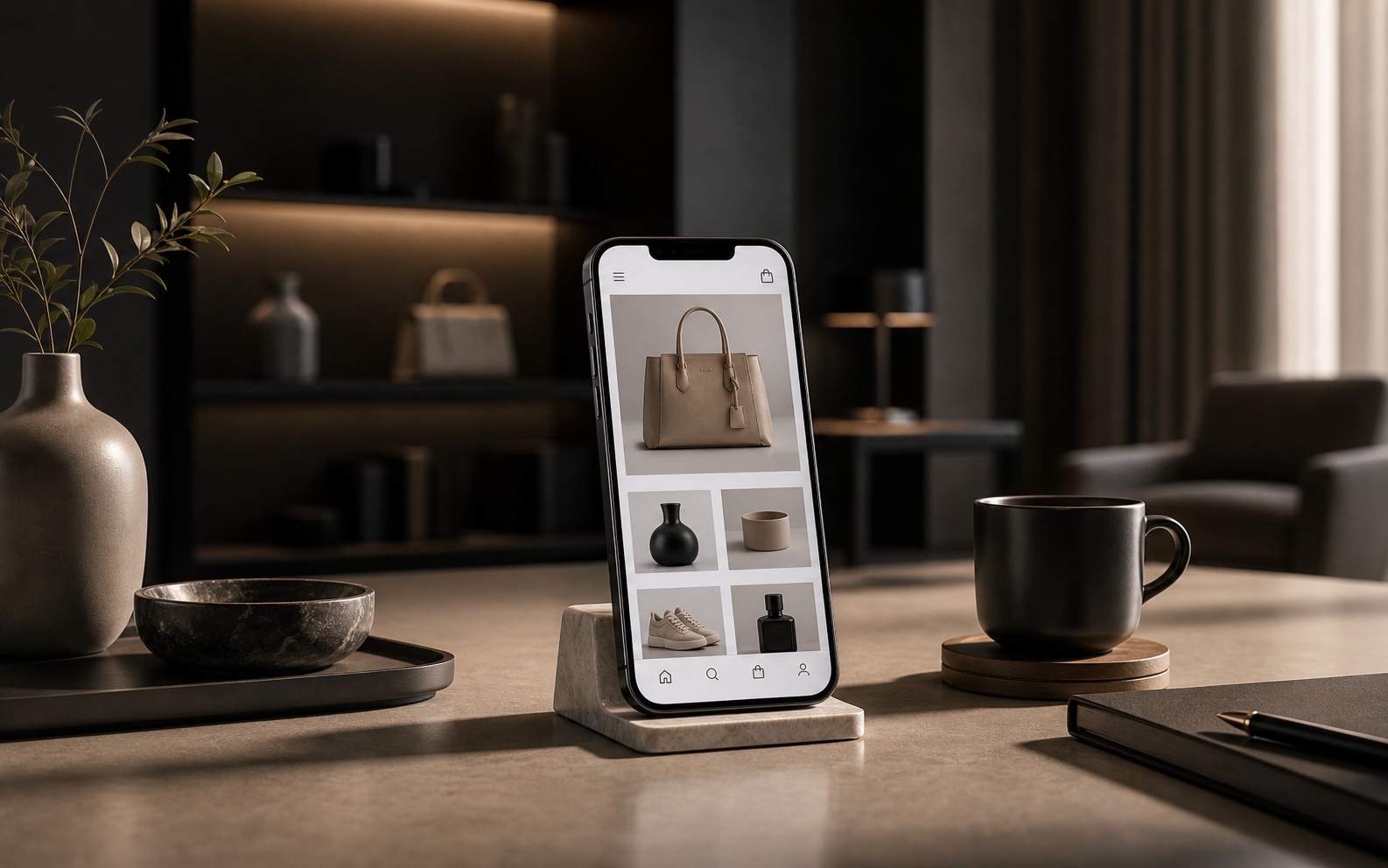
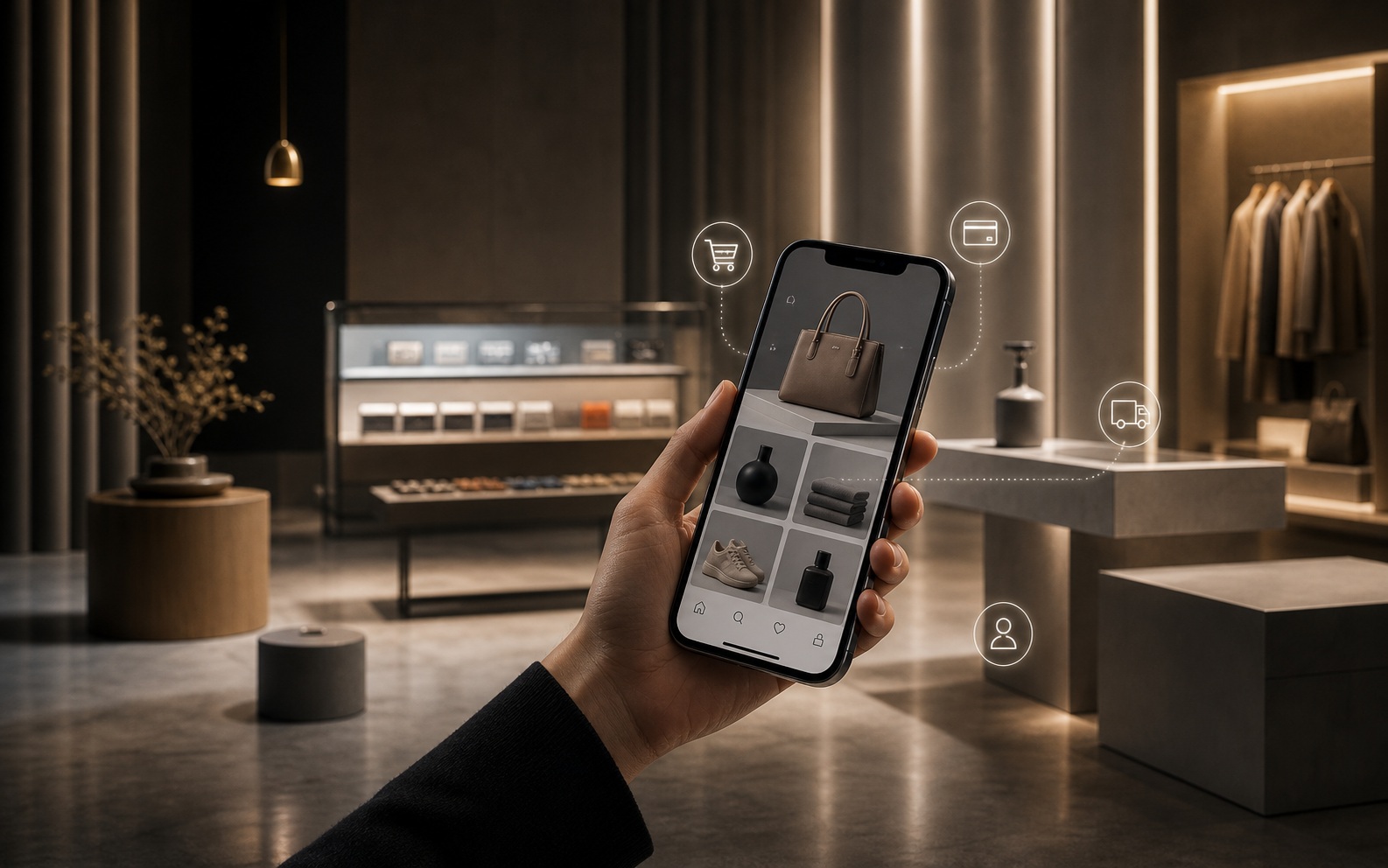
The retail industry has experienced dramatic transformations over the past two decades, but perhaps no shift has been more significant than the rise of mobile shopping and digital retail. What began as a convenience for tech-savvy consumers has evolved into a dominant force shaping how people discover products, compare prices, make purchases, and interact with brands. Today, smartphones have become virtual shopping malls, payment systems, product research tools, customer service channels, and personalized storefronts all in one. As mobile technology continues to advance, the future of shopping is becoming increasingly digital, intelligent, and customer-centric. Consumers expect seamless experiences across devices, personalized recommendations tailored to their preferences, and frictionless purchasing processes that fit effortlessly into their daily lives. Retailers that embrace these expectations are positioning themselves for growth, while those that fail to adapt risk being left behind. The future of mobile shopping and digital retail extends far beyond simple online transactions. Emerging technologies such as artificial intelligence, augmented reality, voice commerce, predictive analytics, and immersive digital experiences are reshaping the relationship between consumers and brands. Shopping is becoming faster, smarter, and more personalized than ever before. This article explores the future of mobile shopping and digital retail, examining the technologies, trends, and innovations that will define the next generation of commerce.
A: Mobile shopping is the process of discovering, browsing, comparing, and buying products through a smartphone or tablet.
A: Customers increasingly use mobile devices throughout the buying journey, from discovery to checkout to post-purchase support.
A: Fast pages, readable text, simple navigation, large buttons, clear product images, easy cart editing, and quick checkout.
A: AI can improve search, recommendations, customer support, personalization, merchandising, and inventory decisions.
A: Yes, especially when they offer loyalty rewards, faster shopping, personalized alerts, order tracking, or exclusive experiences.
A: Social commerce turns content, creators, communities, and short-form video into product discovery and purchase channels.
A: Faster payment through digital wallets, saved details, one-tap checkout, biometric authentication, and clearer delivery options.
A: Improve mobile speed, simplify checkout, add express payments, strengthen product content, connect channels, and use customer data responsibly.
A: Yes. Physical stores can support pickup, returns, local discovery, service, events, and omnichannel shopping journeys.
A: The future belongs to stores that make digital shopping faster, easier, more personal, and more trustworthy.
The Rise of Mobile-First Consumer Behavior
Mobile shopping is no longer a secondary channel. For many consumers, it has become the primary way they interact with retailers.
Smartphones accompany users throughout the day, providing constant access to products, reviews, promotions, and purchasing opportunities. Consumers browse while commuting, compare prices in physical stores, research products during conversations, and complete purchases from virtually anywhere.
This shift has fundamentally changed consumer expectations. Shoppers now demand instant access to information and seamless experiences across every touchpoint.
The future will see an even greater emphasis on mobile-first design strategies. Retailers will prioritize smartphone experiences not simply because mobile traffic is growing, but because mobile devices increasingly serve as the center of the customer journey.
Businesses that design for mobile users first will be better positioned to meet evolving customer expectations.
The Evolution of Digital Retail
Digital retail has moved far beyond traditional eCommerce websites.
Early online stores functioned primarily as digital catalogs where customers browsed products and completed transactions. Modern digital retail experiences are far more dynamic and interactive.
Today’s consumers engage with brands through websites, mobile apps, social media platforms, messaging channels, live shopping events, and digital marketplaces. These interactions create interconnected customer journeys that blur the lines between discovery, engagement, and purchasing.
The future of digital retail will continue expanding beyond standalone websites. Retail experiences will become integrated into the platforms consumers already use daily.
Shopping will increasingly occur wherever consumers spend their digital time.
The distinction between commerce and content will continue to fade.
Artificial Intelligence Will Transform Shopping Experiences
Artificial intelligence is poised to become one of the most influential technologies shaping the future of mobile commerce.
AI enables retailers to deliver highly personalized experiences by analyzing customer behavior, preferences, purchase history, and browsing patterns.
Future shopping experiences will feel increasingly customized. Product recommendations will become more accurate, search functionality will become more intuitive, and promotional messaging will become more relevant.
AI-powered assistants will help customers discover products, answer questions, compare options, and make purchasing decisions.
Retailers will use predictive analytics to anticipate customer needs before shoppers actively search for products.
The result will be more efficient, engaging, and satisfying shopping experiences that strengthen customer loyalty while increasing conversions.
Hyper-Personalization Will Become the Standard
Consumers are increasingly expecting brands to understand their preferences.
Generic shopping experiences are becoming less effective as personalization technologies improve.
The future of digital retail will revolve around hyper-personalization. Retailers will tailor product recommendations, content, pricing strategies, promotions, and shopping journeys to individual users.
Mobile devices provide valuable behavioral data that supports these efforts. Location information, browsing habits, purchase history, and engagement patterns all contribute to personalization strategies.
Rather than presenting identical experiences to every visitor, retailers will create unique experiences designed around individual customer needs.
Personalization will no longer be viewed as a competitive advantage. It will become an expected component of modern shopping experiences.
Voice Commerce and Conversational Shopping
Voice technology continues to evolve rapidly.
Consumers are becoming increasingly comfortable using voice assistants to search for information, control devices, and complete everyday tasks.
As voice recognition improves, voice commerce is expected to play a larger role in mobile shopping.
Consumers may increasingly use voice commands to search for products, reorder household essentials, compare options, and complete purchases.
Conversational shopping experiences powered by artificial intelligence will further enhance convenience.
Instead of navigating complex menus, customers may simply describe their needs and receive personalized recommendations through natural conversations.
The future of commerce will involve fewer clicks and more conversations.
Augmented Reality Will Redefine Product Discovery
One of the biggest challenges in online shopping is the inability to physically interact with products.
Augmented reality is helping solve this problem.
AR technology allows consumers to visualize products within real-world environments using their smartphones. Customers can see how furniture fits in their homes, how clothing may look on their bodies, or how cosmetics appear on their faces.
These experiences reduce uncertainty and increase purchasing confidence.
As mobile hardware and software continue improving, augmented reality will become more accessible and sophisticated.
Future shoppers may routinely interact with virtual products before making purchases.
The gap between digital and physical retail experiences will continue shrinking.
Mobile Payments Will Become Effortless
Checkout friction remains one of the biggest barriers to conversion.
The future of mobile shopping will prioritize payment simplicity.
Digital wallets, biometric authentication, one-tap purchasing, and embedded payment systems are already streamlining transactions.
Consumers increasingly expect fast, secure, and frictionless payment experiences.
Future payment systems may become nearly invisible. Purchases could be completed through voice commands, facial recognition, wearable devices, or automated subscription models.
Reducing friction at checkout improves customer satisfaction while increasing conversion rates.
Convenience will continue driving payment innovation.
Social Commerce Will Continue Expanding
Social media platforms have evolved into powerful retail channels.
Consumers increasingly discover products through content creators, influencers, communities, and social recommendations.
The future of social commerce involves deeper integration between content and purchasing experiences.
Users will be able to move seamlessly from product discovery to purchase without leaving their favorite platforms.
Live shopping events, interactive product demonstrations, and creator-driven commerce will continue gaining popularity.
Social proof and community engagement will play increasingly important roles in purchasing decisions.
Retailers that successfully combine entertainment, education, and commerce will thrive in this evolving landscape.
Omnichannel Experiences Will Become Essential
Modern consumers expect flexibility.
They may discover a product on social media, research it through a mobile app, visit a physical store, and complete the purchase online.
The future of retail will prioritize seamless omnichannel experiences that connect every customer touchpoint.
Mobile devices will serve as central hubs within these journeys.
Customers will expect consistent pricing, inventory visibility, loyalty rewards, and personalized experiences regardless of channel.
Retailers that eliminate friction between online and offline experiences will create stronger customer relationships.
The future belongs to brands that provide continuity across every interaction.
Data Will Drive Smarter Retail Decisions
Data has become one of the most valuable assets in modern commerce.
Mobile shopping generates enormous amounts of behavioral information that retailers can use to improve customer experiences.
Future retailers will leverage advanced analytics to understand purchasing patterns, predict demand, optimize inventory, and personalize engagement.
Machine learning systems will continuously refine recommendations and marketing strategies based on real-time data.
The ability to transform information into actionable insights will become increasingly important.
Data-driven retailers will be able to respond more quickly to changing consumer preferences and market conditions.
Sustainability Will Influence Mobile Shopping
Consumers are becoming more environmentally conscious.
Sustainability considerations are increasingly influencing purchasing decisions and brand perceptions.
The future of digital retail will incorporate sustainability into both products and customer experiences.
Retailers may provide detailed environmental impact information, sustainable product recommendations, and transparent supply chain insights.
Mobile platforms can help educate consumers about sustainability initiatives while supporting responsible purchasing behavior.
Brands that align environmental responsibility with convenience and value will attract growing segments of environmentally conscious shoppers.
Sustainability will become an important component of customer trust and loyalty.
Faster Delivery Will Continue Shaping Expectations
Consumer expectations regarding delivery continue rising.
Same-day delivery, next-day shipping, and real-time tracking are becoming increasingly common.
The future of mobile shopping will emphasize speed, convenience, and transparency throughout the fulfillment process.
Advanced logistics systems, predictive inventory management, and localized fulfillment centers will help retailers meet these expectations.
Mobile apps will provide real-time updates, delivery notifications, and personalized fulfillment options.
Convenience will remain a major competitive differentiator.
Retailers that simplify delivery experiences will strengthen customer satisfaction and retention.
Mobile Apps Will Become Smarter and More Personalized
While websites remain important, mobile apps offer unique opportunities for engagement and personalization.
Future retail apps will function as intelligent shopping assistants rather than simple purchasing tools.
Artificial intelligence will power personalized recommendations, shopping reminders, loyalty rewards, and proactive customer support.
Location-based services may deliver contextually relevant offers and information.
Apps will increasingly integrate augmented reality, social features, and predictive shopping capabilities.
The result will be highly engaging ecosystems that strengthen relationships between customers and brands.
Mobile apps will continue evolving into central components of the digital retail experience.
The Growing Role of Subscription Commerce
Subscription models are transforming how consumers purchase products.
From household essentials to premium services, subscriptions provide convenience and predictability.
Mobile technology makes subscription management easier and more accessible.
Future subscription experiences will become increasingly personalized through AI-driven recommendations and adaptive product selections.
Retailers will focus on delivering ongoing value rather than simply facilitating individual transactions.
Customer relationships will become more continuous and engagement-focused.
Subscription commerce represents a shift from transactional retail toward long-term customer partnerships.
The Importance of Trust in Future Retail
As technology advances, trust will remain a fundamental requirement.
Consumers will continue evaluating businesses based on transparency, security, reliability, and customer service quality.
Retailers must balance personalization with privacy concerns.
Data collection practices must remain ethical and transparent.
Customers expect brands to protect their information while delivering personalized experiences.
Trust will become even more important as technologies such as artificial intelligence and predictive analytics become more prevalent.
Successful retailers will prioritize both innovation and customer confidence.
Challenges Facing the Future of Mobile Commerce
Despite exciting opportunities, digital retail faces ongoing challenges.
Privacy regulations continue evolving, requiring businesses to adapt data practices.
Cybersecurity threats remain significant concerns.
Consumer expectations continue rising, making it increasingly difficult to differentiate through convenience alone.
Retailers must also navigate technological complexity, rising acquisition costs, and growing competition.
Success will require balancing innovation, customer experience, operational efficiency, and trust.
Businesses that remain adaptable and customer-focused will be best positioned to overcome these challenges.
Conclusion
The future of mobile shopping and digital retail is dynamic, exciting, and filled with opportunity. As smartphones become even more integrated into daily life, consumers will expect increasingly personalized, seamless, and intelligent shopping experiences.
Artificial intelligence, augmented reality, voice commerce, social shopping, predictive analytics, and advanced payment technologies are transforming how customers discover products and interact with brands. At the same time, evolving expectations around convenience, sustainability, transparency, and trust are reshaping the retail landscape.
The most successful retailers of the future will be those that embrace innovation while maintaining a relentless focus on customer needs. They will create frictionless experiences, leverage data responsibly, personalize engagement, and build meaningful relationships across every touchpoint.
Mobile shopping is no longer simply a trend—it is the foundation of modern commerce. As technology continues advancing, digital retail will become even more immersive, intelligent, and customer-centric. Businesses that prepare for these changes today will be positioned to thrive in the next era of retail, where convenience, personalization, and innovation define the customer experience.