From Concept to Creation: Turning Vision Into a Tangible Product
Every breakthrough product begins as a simple idea. It might arrive as a quick spark of inspiration, a solution to a frustrating problem, or a vision for something that does not yet exist. But ideas alone are not enough. The real transformation happens when that idea becomes a working prototype—a physical or digital version that can be tested, refined, and experienced. Turning an idea into a prototype is where creativity meets execution. It is a process that blends imagination, problem-solving, experimentation, and persistence. For entrepreneurs, designers, and innovators, this stage is one of the most exciting and revealing parts of the journey. This guide walks through how to move from abstract thinking to something real and functional, helping you bring your concept to life in a way that is both practical and powerful.
A: Start by defining the problem, the user, and the single most important function the product must deliver.
A: No, it only needs to be good enough to test and learn from.
A: It is the simplest version of the product that proves the main idea can work.
A: Yes, because prototyping often helps reveal which features actually matter most.
A: Use low-cost, flexible materials that are easy to change quickly rather than permanent or expensive ones.
A: It is successful if it answers key questions about function, usability, value, or next steps.
A: Because real users often expose confusion, friction, or missed opportunities that the creator cannot easily see alone.
A: Usually more than one, since improvement often happens through several rounds of testing and revision.
A: Yes, wireframes, clickable mockups, and interface simulations are all forms of digital prototyping.
A: Trying to perfect the product too early instead of building a simple version and learning from it fast.
Understanding the Power of Prototyping
A prototype is more than a model. It is a working representation of your idea that allows you to test how it functions, how it feels, and how it solves a problem. It transforms uncertainty into clarity.
Many ideas sound great in theory but reveal flaws when they are built. Prototyping exposes those gaps early, saving time, money, and frustration later in the process. It also helps communicate your idea to others, whether that is a team, an investor, or a potential customer.
Perhaps most importantly, a prototype gives momentum. It moves the idea from “someday” into something tangible and actionable.
Defining the Core Problem and Solution
Before building anything, it is essential to clearly define what problem your idea is solving. A strong prototype begins with a clear purpose. Ask yourself what the product is meant to do and who it is meant for. The clearer this foundation is, the easier it becomes to design something that works. Without this clarity, prototypes can become overly complex or disconnected from real needs. Focusing on the core function allows you to avoid unnecessary features and concentrate on what truly matters.
Sketching and Visualizing the Idea
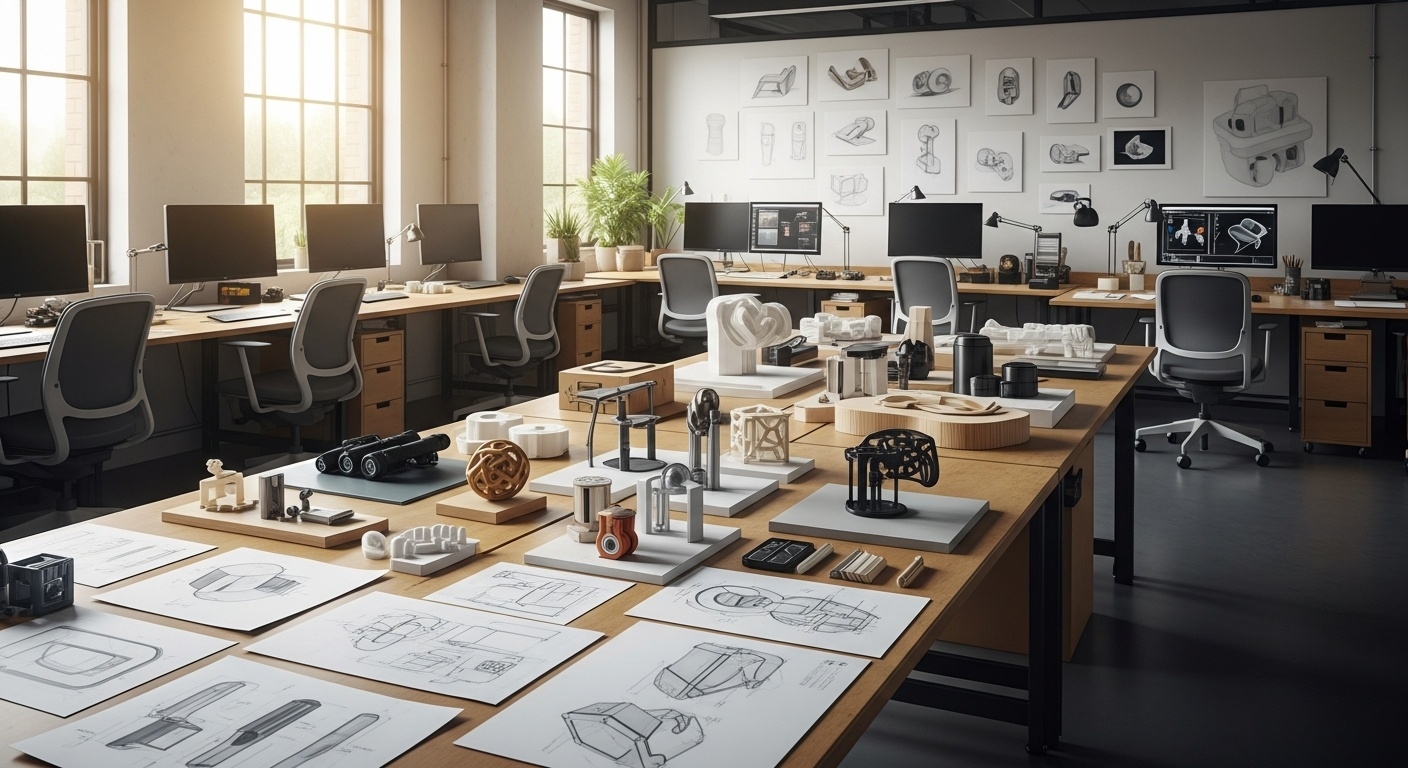
The first step in bringing an idea to life is often visual. Sketches, diagrams, and simple drawings can help translate abstract thoughts into something more concrete.
This stage does not require perfection. Rough sketches are enough to explore form, layout, and functionality. The goal is to externalize your thinking so it can be refined and improved.
Visualizing the idea also makes it easier to spot potential challenges and opportunities early on.
Choosing the Right Type of Prototype
Not all prototypes are created the same. The type you choose depends on your product and your goals.
Some prototypes are physical, such as a product model or mechanical device. Others are digital, like an app interface or software simulation. There are also conceptual prototypes, which may exist as storyboards or interactive mockups.
The key is to select an approach that allows you to test the most important aspects of your idea without unnecessary complexity.
Starting with a Minimum Viable Prototype
One of the biggest mistakes innovators make is trying to build everything at once. A minimum viable prototype focuses only on the essential features needed to demonstrate the core idea. This approach keeps the process manageable and allows for faster iteration. It also reduces risk by avoiding overinvestment in untested concepts. A simple prototype can still be powerful if it clearly shows how the idea works and why it matters.
Selecting Materials and Tools
The materials and tools you use will shape how your prototype comes together. For physical products, this might include cardboard, foam, wood, or 3D-printed components. For digital products, it could involve design software or prototyping platforms.
Choosing accessible and flexible materials allows you to make changes quickly. Early prototypes should be easy to modify rather than perfect or permanent.
The goal is to create something functional enough to test while remaining adaptable for improvement.
Building the First Version
The first version of your prototype is where ideas meet reality. This stage can feel both exciting and challenging as you begin to see your concept take shape. It is important to approach this phase with a mindset of experimentation. The goal is not to create a flawless product but to learn as much as possible from the process. Unexpected issues will arise, and that is part of the journey. Each challenge provides valuable insight that will guide future improvements.
Testing and Gathering Feedback
Once your prototype is built, the next step is testing. This is where you observe how it performs in real-world scenarios and gather feedback from users.
Testing reveals how intuitive the design is, how well it solves the intended problem, and where adjustments are needed. Feedback can come from friends, colleagues, or target users who represent your ideal audience.
Listening carefully to feedback helps refine the prototype and ensures it evolves in the right direction.
Iterating and Improving the Design
Prototyping is not a one-time event. It is an iterative process that involves building, testing, and refining multiple versions. Each iteration brings you closer to a more effective and polished product. Improvements may involve adjusting dimensions, simplifying features, or enhancing usability. This cycle of iteration is where true innovation happens. It allows ideas to evolve into solutions that are both practical and impactful.
Balancing Creativity and Functionality
A successful prototype balances creative vision with practical performance. While aesthetics and originality are important, the product must also function reliably.
Design decisions should support usability and durability. A visually appealing product that fails to perform will not succeed, just as a highly functional product that lacks appeal may struggle to attract attention.
Finding the right balance ensures that your prototype resonates both emotionally and practically.
Leveraging Technology in Prototyping
Modern tools have made prototyping more accessible than ever. 3D printing, digital modeling, and rapid prototyping software allow creators to bring ideas to life quickly.
These technologies enable precise experimentation and faster iteration. They also open the door to more complex designs that would have been difficult to achieve in the past. Embracing these tools can accelerate the development process and expand creative possibilities.
Preparing for the Next Stage
Once your prototype has been refined and tested, it becomes a foundation for further development. It can be used to attract investors, guide manufacturing, or validate market interest.
At this stage, documentation becomes important. Clear records of design decisions, materials, and processes help ensure consistency as the project moves forward.
A strong prototype not only proves the concept but also sets the stage for scaling and production.
Final Thoughts
Turning an idea into a working prototype is a journey of transformation. It takes an abstract concept and shapes it into something real, testable, and meaningful. The process requires creativity, patience, and a willingness to learn from failure. Each step, from defining the problem to refining the design, contributes to a deeper understanding of the idea. For those willing to take the leap, prototyping is one of the most rewarding stages of innovation. It is where imagination becomes reality and where ideas begin to make their mark on the world.