Mastering Visual Presentation: How High-Quality Mockups Build Trust, Capture Attention, and Drive Sales
Before a product ever reaches a customer’s hands, it must first capture their attention. In today’s fast-moving digital landscape, that moment often happens on a screen—whether it’s a website, social media feed, or online marketplace. This is where product mockups step in as one of the most powerful tools in modern branding. A product mockup is more than a simple preview. It’s a visual representation of your product in a real-world context, designed to communicate quality, personality, and purpose. It allows you to present your brand as if it already exists in the marketplace, even before production begins. When done well, mockups create anticipation, build trust, and help customers imagine owning the product. They bridge the gap between concept and reality, turning abstract ideas into compelling visual experiences.
A: Realistic lighting, accurate proportions, quality textures, and a clean composition that supports the brand.
A: Both can work. Studio mockups highlight details, while lifestyle mockups help customers imagine the product in use.
A: Yes. They are ideal for testing concepts, pitching ideas, building anticipation, and refining design decisions early.
A: Absolutely. Strong mockups can improve first impressions, product page quality, and brand credibility.
A: Usually a small, consistent set works best so the brand stays recognizable and visually organized.
A: Yes. Premium visual presentation often makes products feel more polished, trustworthy, and worth buying.
A: Using unrealistic lighting, distorted product proportions, or cluttered scenes that distract from the item.
A: Yes. The mockup environment and visual tone should reinforce the same brand story as the product design itself.
A: No. They are also useful for social posts, landing pages, pitch decks, ads, and marketplace listings.
A: To make the product feel real, desirable, and professionally branded before the customer ever holds it.
What Are Product Mockups and Why They Matter
At their core, product mockups are visual simulations of a finished product. They can range from simple flat images to highly detailed, photorealistic scenes that look indistinguishable from real photography.
For entrepreneurs, designers, and brands, mockups offer a way to test ideas, refine aesthetics, and present products professionally without the cost of manufacturing samples. This is especially valuable in early stages, where flexibility and speed are essential.
Mockups also play a critical role in marketing. They help communicate the value of a product instantly. A well-designed mockup can convey premium quality, lifestyle alignment, and brand identity within seconds.
In many cases, customers form their first impression based on visuals alone. A strong mockup can elevate perceived value, while a weak one can undermine even the best product.
The Psychology Behind Effective Mockups
Great mockups tap into how people perceive and process visual information. Humans are naturally drawn to images that feel real, relatable, and emotionally engaging. When a product is presented in a believable context, it becomes easier for the viewer to imagine using it.
- Lighting, perspective, and composition all influence perception. Soft natural lighting often feels authentic and inviting, while dramatic lighting can create a sense of luxury or boldness.
- The environment surrounding the product also plays a role. A clean, minimal background suggests modern sophistication, while a lifestyle setting tells a story about how the product fits into everyday life.
The goal is not just to show the product, but to create a feeling. When customers connect emotionally with an image, they are more likely to remember it and take action.
Choosing the Right Style for Your Brand
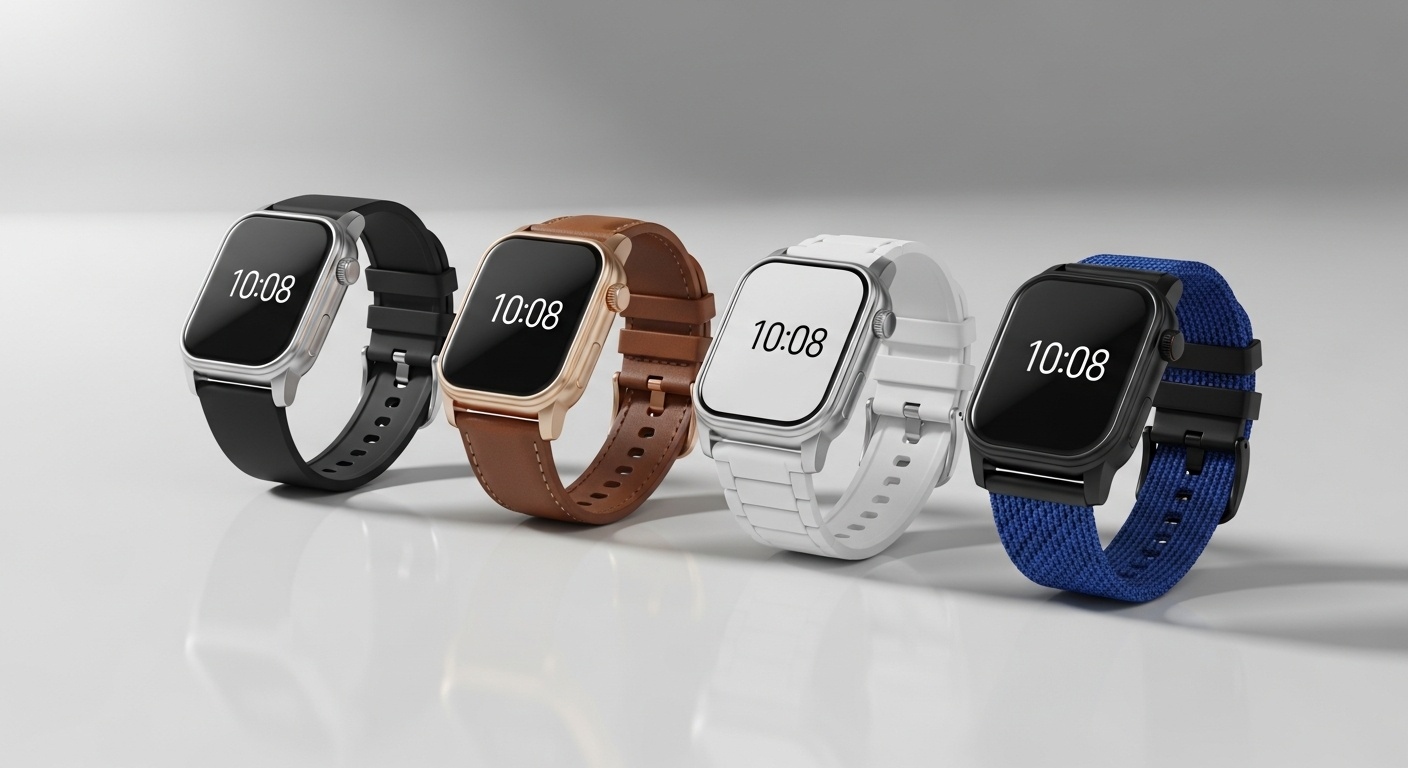
Not all mockups are created equal, and the style you choose should align with your brand identity. Minimalist mockups focus on the product itself, often using clean backgrounds and simple compositions. These are ideal for brands that emphasize clarity and modern design.
Lifestyle mockups place the product in real-world settings, showing how it might be used. This approach helps customers visualize the product in their own lives and is especially effective for consumer goods.
Studio-style mockups strike a balance between minimalism and realism, using controlled lighting and curated environments to highlight the product’s features.
The key is consistency. Your mockups should feel like part of a cohesive visual system, reinforcing your brand’s identity across all platforms.
Lighting and Composition: The Invisible Influencers
Lighting is one of the most important elements in creating professional mockups. It shapes how the product is perceived, highlighting textures, colors, and details. Natural light often creates a soft, organic feel, while studio lighting allows for precise control and dramatic effects. Shadows can add depth and realism, preventing the image from feeling flat.
Composition is equally important. The placement of the product within the frame should guide the viewer’s eye naturally. Negative space can help emphasize the product, while carefully chosen angles can showcase its most appealing features. Together, lighting and composition create a visual hierarchy that directs attention and enhances the overall impact of the mockup.
Materials, Textures, and Detail
One of the defining features of high-quality mockups is attention to detail. Materials and textures should look realistic and consistent with the product’s intended feel.
Glossy surfaces should reflect light appropriately, while matte finishes should appear soft and subtle. Fabric textures, metallic elements, and transparent materials all require careful rendering to maintain authenticity.
Even small details, such as stitching, edges, or surface imperfections, can add depth and realism. These elements make the mockup feel tangible, bridging the gap between digital and physical.
Creating a Lifestyle Around Your Product
A product rarely exists in isolation. It is part of a broader lifestyle that customers aspire to. Lifestyle mockups allow you to showcase this connection, placing the product in environments that reflect your target audience’s values and preferences.
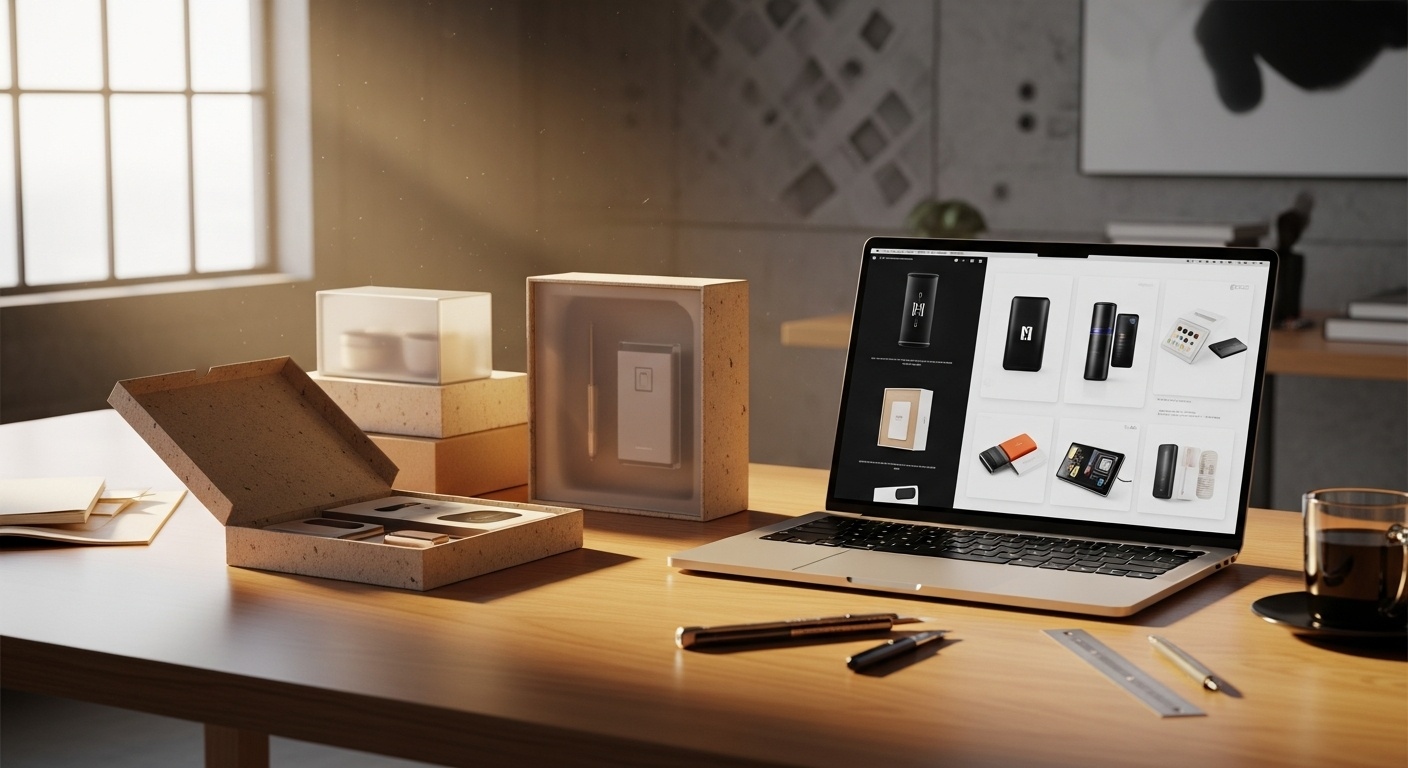
For example, a wellness product might be shown in a calm, natural setting with soft textures and greenery. A tech product might be placed in a sleek, modern workspace with clean lines and minimal distractions. These environments help tell a story. They show not just what the product is, but how it fits into a larger narrative. This storytelling approach can significantly enhance engagement and memorability.
Consistency Across Platforms
In today’s multi-channel world, your mockups must perform across various platforms, from eCommerce websites to social media and advertising campaigns.
Consistency is key. Using a unified visual style ensures that your brand remains recognizable, regardless of where it appears. This includes maintaining consistent lighting, color grading, and composition across all mockups.
At the same time, adaptability is important. Different platforms may require different formats or cropping, so your designs should be flexible enough to work in multiple contexts without losing their impact.
Using Mockups to Test and Refine Ideas
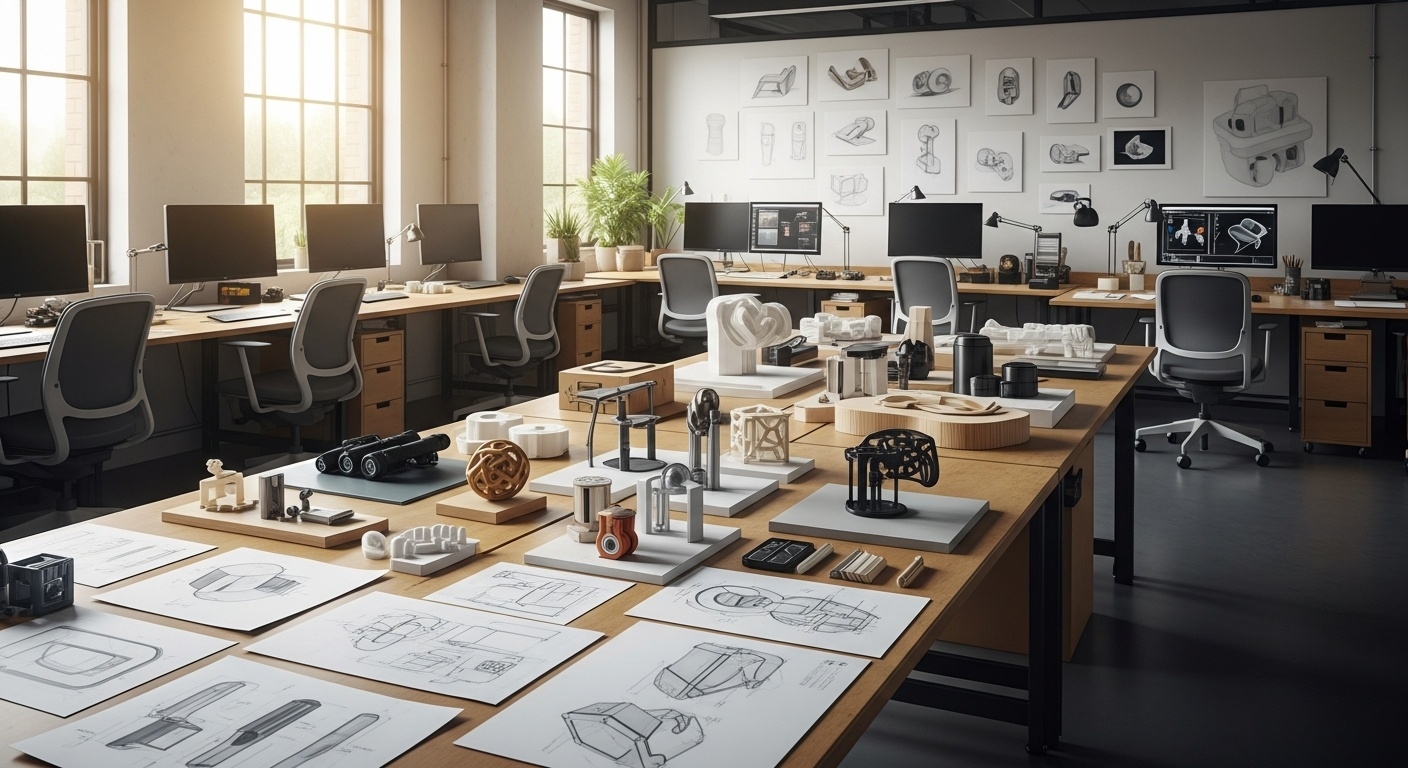
One of the greatest advantages of mockups is their ability to support experimentation. Before committing to production, you can test different colors, layouts, and design elements.
This iterative process allows you to refine your product’s appearance and ensure it aligns with your brand vision. It also provides an opportunity to gather feedback from stakeholders or potential customers. By using mockups as a testing tool, you can make informed decisions that reduce risk and improve the final product.
Elevating Perceived Value Through Design
Perception plays a significant role in how customers evaluate products. A well-crafted mockup can elevate perceived value, making a product appear more premium and desirable.
This doesn’t necessarily require expensive production. Thoughtful design choices, such as clean layouts, balanced composition, and realistic rendering, can create a high-end feel.
When customers perceive a product as high quality, they are more likely to trust the brand and justify a higher price point.
Common Mistakes to Avoid
While mockups offer tremendous potential, certain mistakes can undermine their effectiveness.
- Overly complex designs can distract from the product, while poor lighting or unrealistic textures can break immersion.
- Inconsistency is another common issue. When mockups vary widely in style, it can confuse customers and weaken brand identity.
- It’s also important to avoid clutter. Too many elements in a scene can overwhelm the viewer and reduce clarity.
Keeping the focus on the product ensures that the message remains strong.
The Future of Product Mockups
As technology continues to evolve, product mockups are becoming more sophisticated. Advances in 3D rendering, augmented reality, and real-time visualization are opening new possibilities for how products are presented.
Interactive mockups, for example, allow customers to explore products from multiple angles or customize features in real time. These innovations enhance engagement and provide a more immersive experience.
Despite these advancements, the core principles remain the same. Clarity, consistency, and emotional connection will always be at the heart of effective mockup design.
Showcasing Your Brand With Confidence
Product mockups are more than a design tool—they are a strategic asset that shapes how your brand is perceived. By combining creativity with attention to detail, you can create visuals that captivate, inform, and inspire. Whether you are launching a new product or refining an existing one, investing in high-quality mockups can elevate your brand and set you apart from the competition. In a world where visuals drive decisions, the ability to showcase your product like a pro is not just an advantage—it is essential.