The Art, Psychology, and Precision Behind Packaging That Defines Premium Experiences
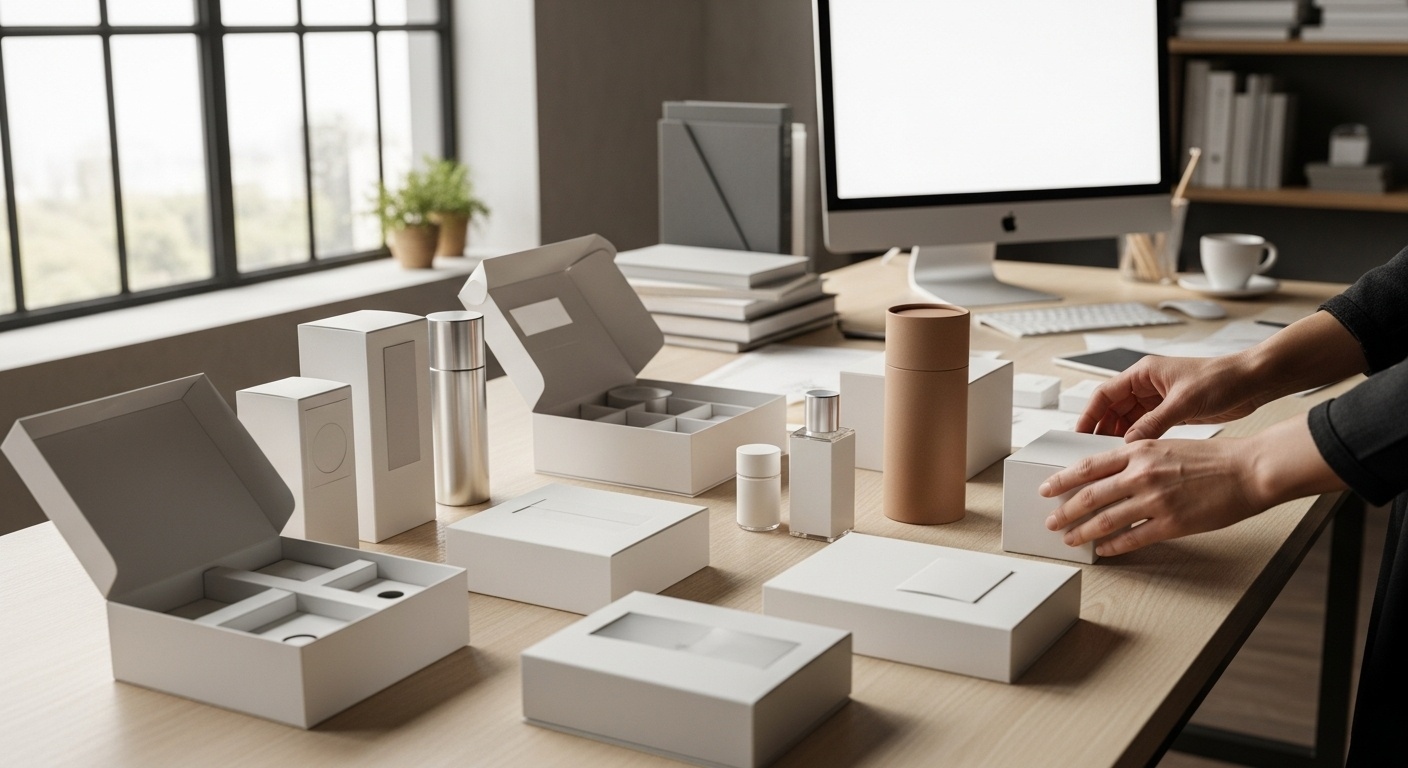
Luxury is not just a product. It is a feeling, a perception, and an experience that begins long before the item itself is used. For high-end brands, packaging is not an afterthought—it is the opening act. It sets expectations, communicates value, and creates a moment of anticipation that transforms a purchase into something memorable. Think about the quiet weight of a rigid box, the soft resistance of a magnetic lid, or the subtle texture of embossed paper beneath your fingertips. These details are carefully engineered. Luxury packaging is designed to slow the moment down, to create a sense of ceremony, and to reinforce the idea that what lies inside is worth the wait. Understanding how luxury brands approach packaging design reveals a set of powerful strategies that can elevate any product, regardless of industry.
A: High-quality materials, intentional simplicity, refined finishes, and a memorable unboxing experience usually create that effect.
A: Not always, but restraint often helps premium details stand out more clearly and feel more sophisticated.
A: Rigid board, textured paper, soft-touch coatings, foil accents, premium inserts, and specialty fabrics are all common choices.
A: It turns packaging into an experience, building anticipation and making the product feel more exclusive and memorable.
A: Yes, many brands now use recycled or eco-conscious materials in ways that still feel elegant and high-end.
A: Usually not; many premium brands rely on subtle branding and strong overall design rather than oversized logos.
A: Adding too many effects, too many finishes, or too much branding can make it feel busy instead of luxurious.
A: Often yes, when they support the brand story and raise perceived value enough to strengthen the customer experience.
A: They repeat structural cues, materials, colors, typography, and finish logic across product lines.
A: Focus on fewer, better details and make every touchpoint feel intentional, tactile, and aligned with the brand.
The Psychology of Perceived Value
One of the most important secrets behind high-end packaging is its ability to shape perception. Before a customer even interacts with the product, packaging signals quality, exclusivity, and attention to detail.
Luxury brands understand that people often associate weight, texture, and craftsmanship with value. Heavier packaging materials, for example, can subconsciously suggest durability and importance. Smooth finishes or tactile surfaces create a sensory connection that feels refined and intentional.
Color also plays a critical role. Deep blacks, soft neutrals, and muted tones are often used to convey sophistication. Metallic accents, such as gold or silver, introduce a sense of prestige without overwhelming the design.
By carefully orchestrating these elements, luxury brands create an immediate emotional response that reinforces their positioning.
Simplicity That Feels Intentional
Luxury packaging is rarely cluttered. Instead, it embraces restraint. This is not minimalism for the sake of trendiness, but minimalism as a deliberate choice.
A high-end package often features very few elements: a clean surface, a subtle logo, and perhaps a single accent. The absence of excess creates focus. It allows the brand to communicate confidence, suggesting that it does not need to compete for attention.
This simplicity requires precision. Every detail must be perfect because there is nothing to hide behind. Alignment, spacing, and proportion all contribute to a polished and cohesive presentation.
In many ways, luxury packaging is about knowing what to leave out.
Materials That Speak Without Words
Materials are at the heart of luxury packaging design. They communicate quality instantly, often before a product is even opened.
Rigid boxes, thick paper stocks, soft-touch coatings, and natural materials such as wood or fabric all contribute to a premium feel. These materials are chosen not just for appearance, but for how they feel in the hand.
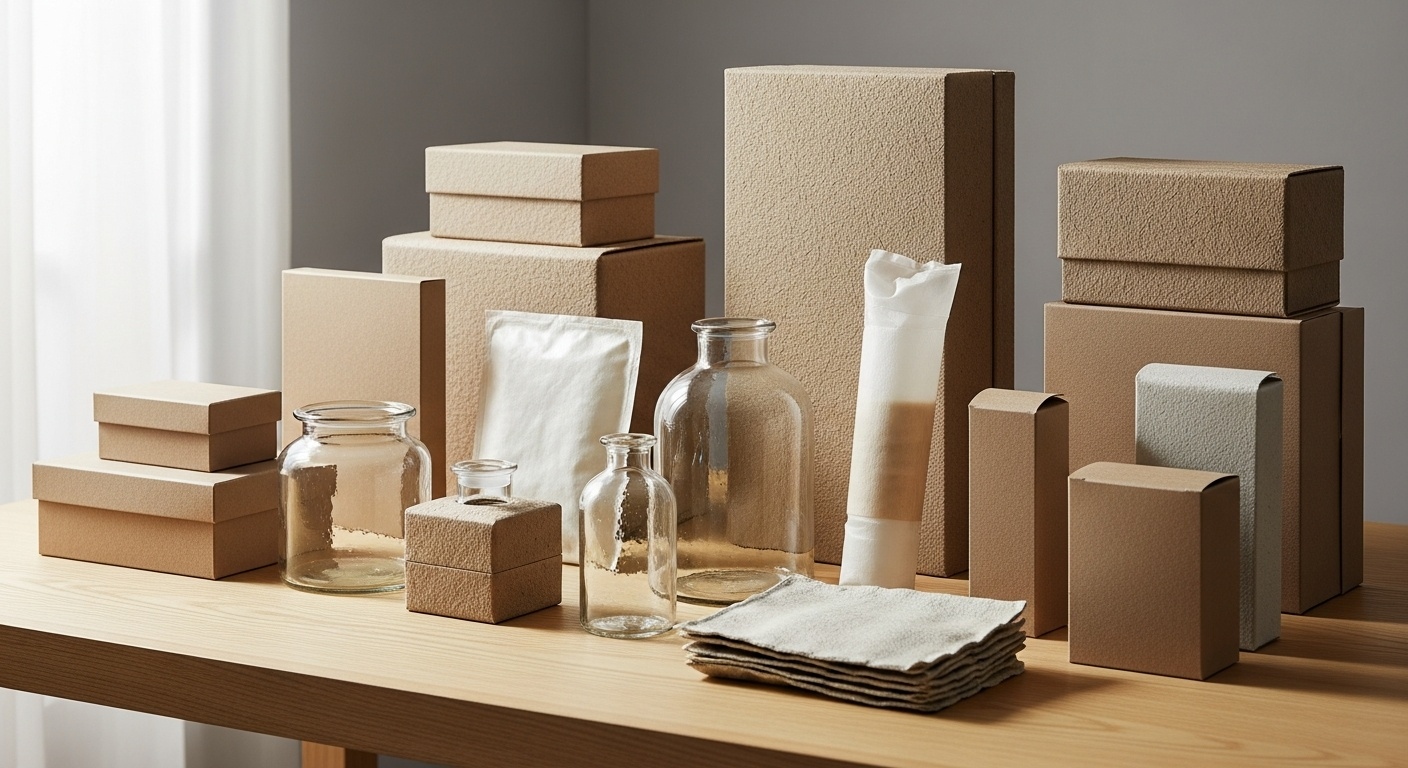
Texture is especially important. A soft matte finish can feel modern and understated, while a lightly textured paper can evoke craftsmanship and authenticity.
Even small details, such as the way a ribbon slides or how a lid closes, are carefully considered. These tactile experiences create a sense of refinement that is difficult to replicate with lower-quality materials.
The Power of Unboxing
Luxury brands design packaging with the unboxing experience in mind. This moment is where anticipation turns into satisfaction, and it is often carefully choreographed.
Opening a luxury package is rarely instantaneous. It may involve lifting a lid, unfolding layers, or revealing hidden compartments. Each step builds suspense and engagement. This process transforms a simple action into an experience. It encourages customers to slow down, to savor the moment, and to connect emotionally with the product.
In the age of social media, the unboxing experience has become even more valuable. A beautifully designed package is more likely to be shared, extending the brand’s reach and reinforcing its image.
Typography and Branding: Quiet Confidence
Typography in luxury packaging is often understated but highly refined. Instead of bold, attention-grabbing fonts, high-end brands tend to use elegant, well-balanced typefaces. Spacing is just as important as the letters themselves. Generous spacing creates a sense of openness and calm, reinforcing the minimalist aesthetic.
Branding is typically subtle. A small, well-placed logo can be more powerful than a large, dominant one. This restraint signals confidence, suggesting that the brand does not need to shout to be recognized. Embossing, debossing, and foil stamping are commonly used to add depth and dimension without introducing clutter.
Color Palettes That Define Identity
Luxury brands are highly intentional with color. Rather than using a wide range of hues, they often rely on a limited palette that becomes closely associated with their identity.
Neutral tones, such as black, white, beige, and gray, are popular because they feel timeless and versatile. These colors create a clean canvas that allows other elements, such as texture and typography, to stand out.
When color is used, it is often applied with precision. A single accent color can create a striking contrast while maintaining overall balance. Consistency is key. Over time, a brand’s color palette becomes instantly recognizable, reinforcing its presence in the market.
Structural Design: Form Meets Function
The structure of luxury packaging is just as important as its appearance. Innovative designs can enhance both usability and visual impact.
Magnetic closures, drawer-style boxes, and custom inserts are common features. These elements not only protect the product but also contribute to the overall experience.
The structure should feel intuitive. Each movement, from opening the package to accessing the product, should be smooth and satisfying.
Luxury packaging often avoids unnecessary complexity. While the design may be sophisticated, it remains user-friendly and purposeful.
Sustainability Meets Luxury
Modern luxury is increasingly aligned with sustainability. Consumers are becoming more conscious of environmental impact, and brands are responding with thoughtful design choices.
Sustainable materials, recyclable packaging, and reduced waste are becoming integral to high-end packaging strategies. However, sustainability does not mean sacrificing quality.
Luxury brands are finding ways to combine eco-friendly materials with premium aesthetics. Recycled paper can be just as elegant as traditional stock when designed well. This shift reflects a broader definition of luxury—one that values responsibility alongside refinement.
A Signature Example: Layered Box Experience
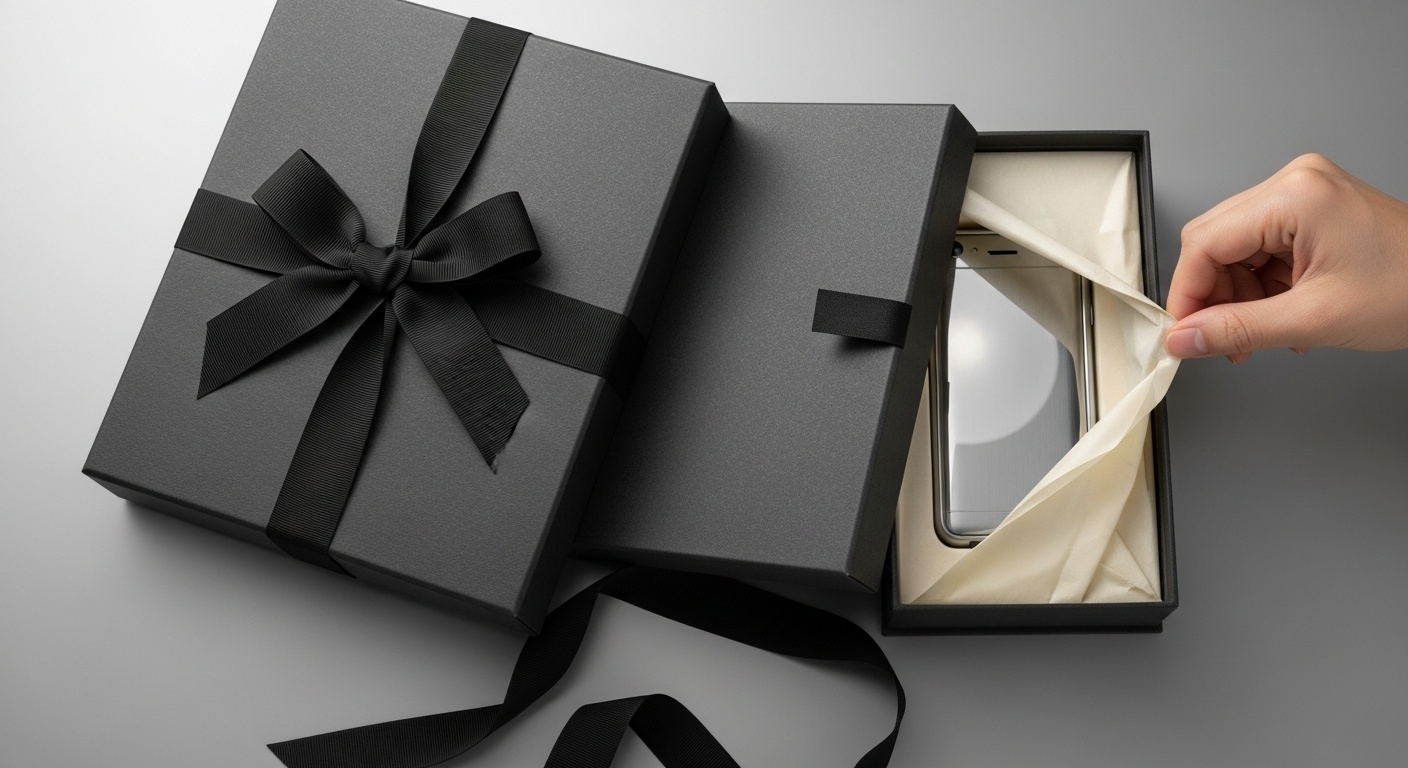
Imagine opening a luxury product packaged in a rigid, matte-finished box. The lid lifts slowly, revealing a perfectly fitted insert. Beneath it, a second layer slides out, uncovering the product itself.
Each layer feels deliberate. The materials are smooth, the edges are precise, and the overall experience is seamless.
This type of design illustrates how structure, material, and pacing can work together to create a memorable unboxing experience.
Consistency Across Every Touchpoint
Luxury brands maintain consistency across all aspects of their packaging. From the outer box to the smallest internal detail, everything aligns with the brand’s identity. This consistency builds trust. It reinforces the idea that the brand is meticulous and reliable. Whether a customer purchases online or in-store, the packaging experience should feel cohesive and familiar. Attention to detail at every level is what sets luxury packaging apart.
Emotional Connection Through Design
At its core, luxury packaging is about emotion. It is designed to make people feel something—excitement, anticipation, satisfaction, or even pride.
These emotional responses create lasting impressions. They turn a simple purchase into a memorable experience.
By focusing on sensory details, storytelling, and thoughtful design, luxury brands create packaging that resonates on a deeper level.
Elevating the Everyday
High-end packaging design is not reserved only for luxury brands. The principles behind it—simplicity, quality, intention, and emotional engagement—can be applied to products at any level. By understanding these strategies, designers and businesses can create packaging that stands out, builds value, and enhances the overall customer experience. In the end, great packaging does more than protect a product. It tells a story, creates a moment, and leaves a lasting impression.