How Strategic Packaging Turns Products Into Memorable Brand Experiences
Before a customer experiences your product, they experience your packaging. It’s the handshake, the introduction, and the silent pitch all at once. In crowded markets where dozens of similar items compete for attention, packaging design becomes one of the most powerful tools for standing out. Great packaging doesn’t just protect a product—it communicates identity, builds trust, and sparks emotion. It can signal luxury, sustainability, innovation, or fun within seconds. For many brands, packaging is the difference between being noticed and being overlooked. When done right, packaging becomes instantly recognizable. It creates familiarity, reinforces brand memory, and invites customers to return. This is where thoughtful design transforms from decoration into strategy.
A: Consistent colors, unique shapes, and strong visual identity elements used across all products.
A: Both. Packaging must look great and protect the product effectively.
A: It depends on your brand. Minimalism works well for premium or modern aesthetics.
A: Very. Many customers prefer eco-friendly packaging and expect brands to consider environmental impact.
A: Focus on distinctive shapes, bold color strategies, and consistent branding across your line.
A: Yes. Strong packaging can increase attention, trust, and repeat purchases.
A: Small refinements are common, but major changes should be strategic to avoid losing recognition.
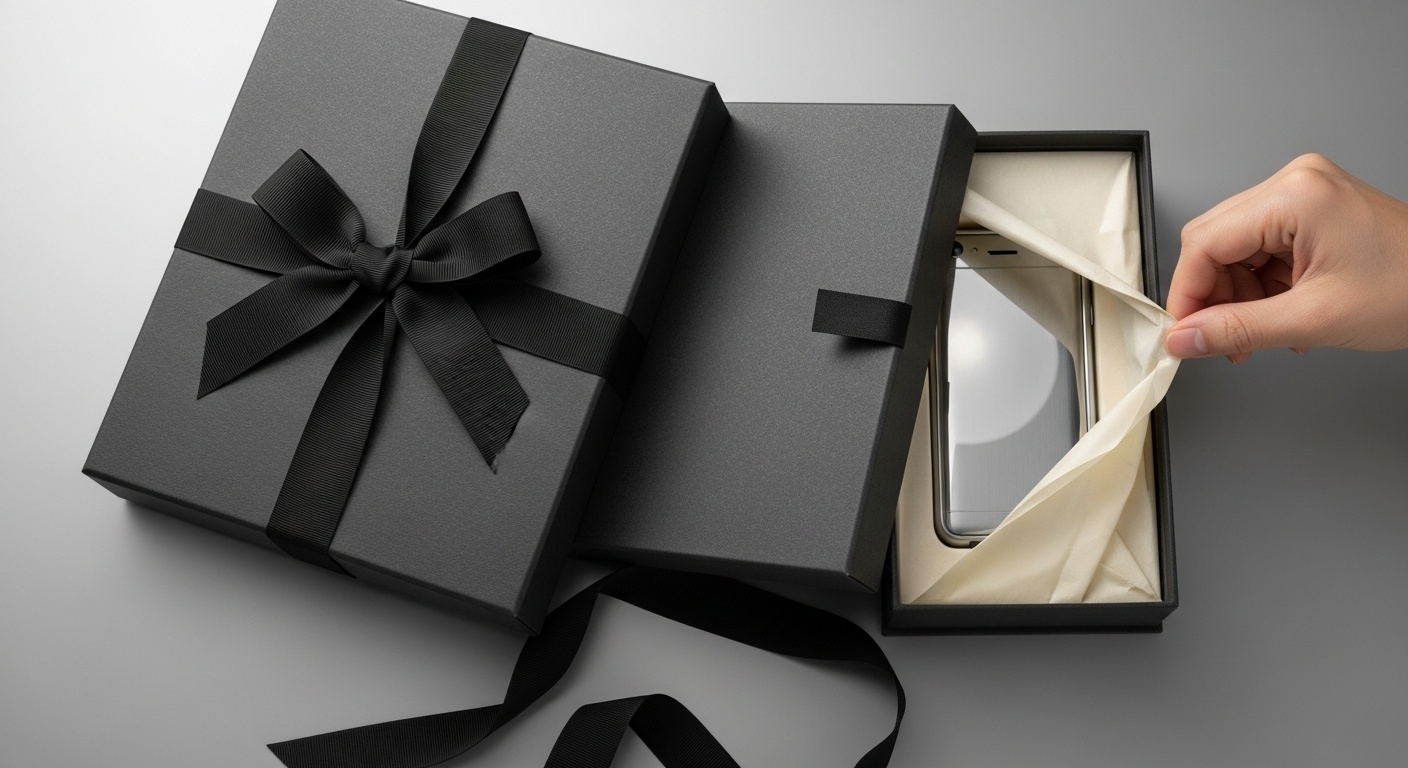
A: Absolutely. It impacts product photography, branding, and the unboxing experience.
A: Inconsistency, which weakens brand recognition and confuses customers.
A: Choose a clear visual identity and apply it consistently across all packaging from day one.
The Psychology Behind Memorable Packaging
Packaging that boosts brand recognition taps into psychology. Humans are naturally drawn to patterns, colors, and shapes that are easy to remember. When these elements are used consistently, they create a visual signature that customers begin to associate with a brand.
Color is one of the strongest tools in this process. A consistent color palette can trigger immediate recognition even before a logo is fully visible. Shapes also play a key role. Unique silhouettes, whether in bottles, boxes, or containers, can make a product recognizable from across a room.
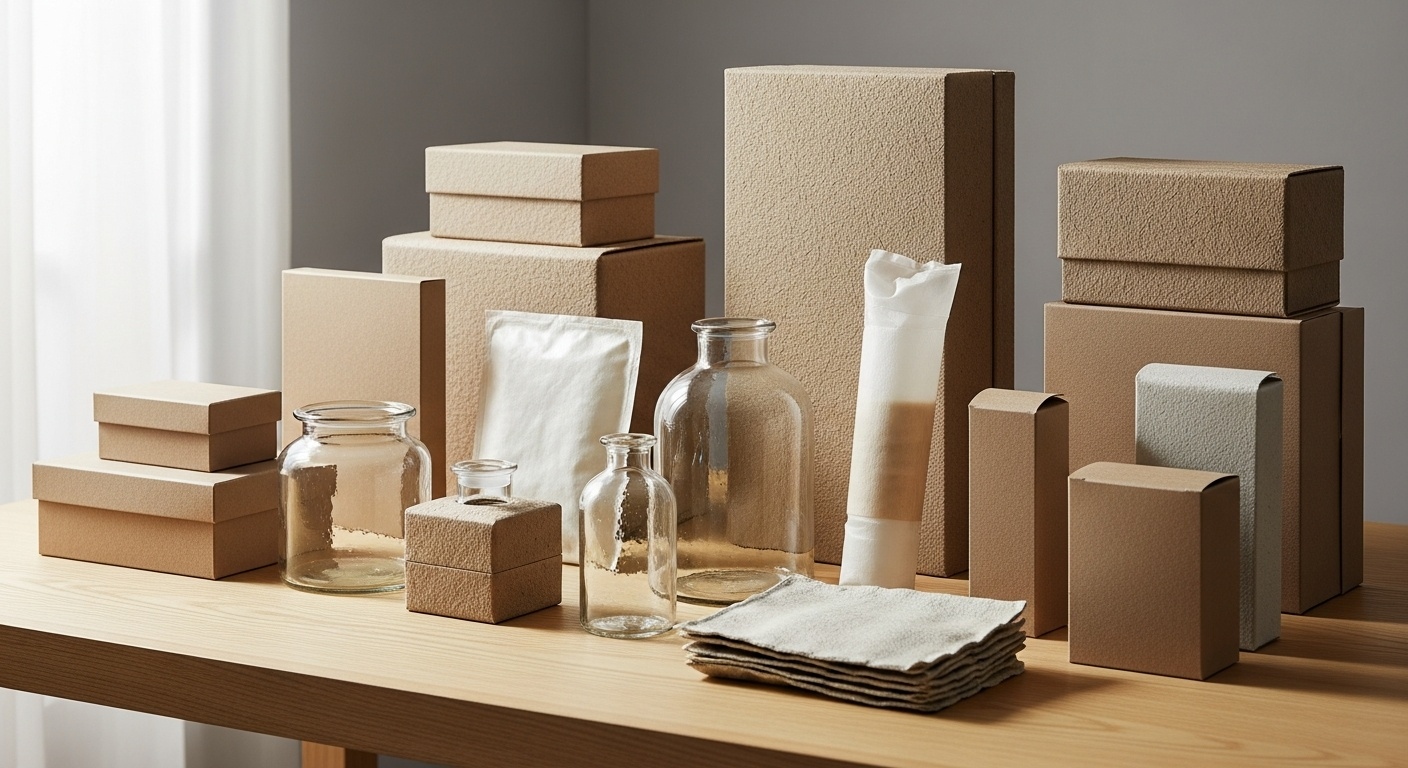
Texture and material add another layer of perception. Matte finishes often feel modern and refined, while glossy surfaces can feel vibrant and energetic. These subtle cues shape how a product is perceived before it is even opened.
Ultimately, packaging that resonates emotionally is more likely to be remembered and shared, making it a powerful driver of brand visibility.
Color Consistency: Building Instant Recognition
One of the simplest yet most effective ways to boost brand recognition is through consistent color use. When a brand commits to a distinct palette and applies it across all packaging, it creates a visual anchor that customers begin to recognize instantly.
This doesn’t mean every package must look identical, but there should be a clear relationship between them. Variations can exist, especially for product lines, but the core identity should remain intact.
Bold, high-contrast colors can help products stand out on shelves, while softer, muted tones can communicate elegance and calm. The key is intentionality. Every color choice should reflect the brand’s personality and target audience. Over time, consistent color use builds familiarity, making it easier for customers to spot your product even in a crowded environment.
Unique Shapes and Structures: Standing Out Physically
In addition to visual design, the physical form of packaging can dramatically impact recognition. A distinctive shape can become a signature feature that customers remember long after their first purchase.
Think of how certain bottle shapes or container designs are instantly associated with specific brands. These forms become part of the brand identity, just as much as logos or colors.
Structural design also influences user experience. Packaging that is easy to open, reseal, or reuse adds functional value that customers appreciate. When form and function align, the result is both memorable and practical.
Designing a unique structure requires creativity and careful consideration, but it can pay off by making a product unmistakable in any setting.
Minimalism vs. Bold Expression
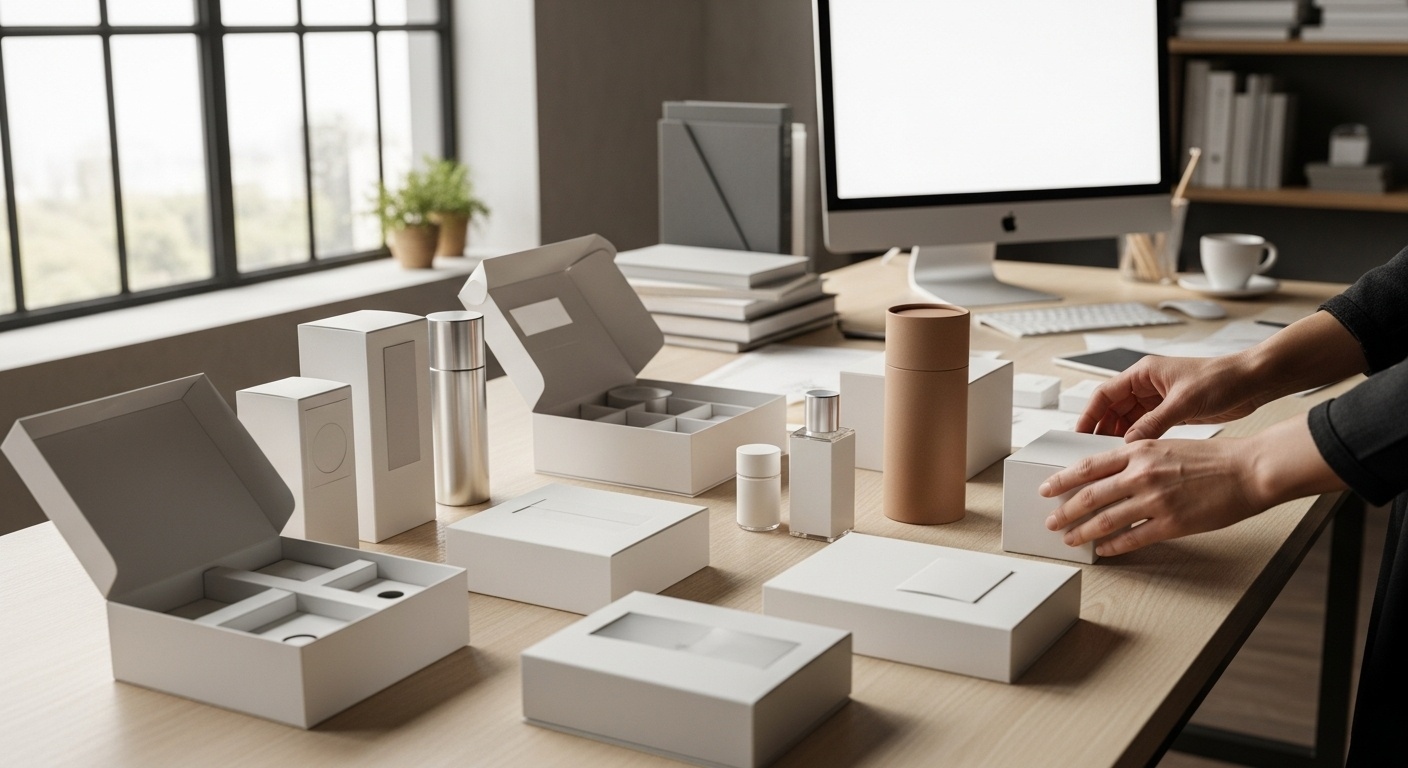
Two major design approaches dominate modern packaging: minimalism and bold expression. Both can be highly effective when aligned with the brand’s identity. Minimalist packaging focuses on simplicity. Clean lines, limited color palettes, and uncluttered layouts create a sense of sophistication. This approach works well for premium or modern brands that want to convey clarity and confidence.
On the other hand, bold packaging embraces vibrant colors, dynamic patterns, and expressive visuals. This style is often used by brands that want to feel energetic, playful, or disruptive. The key is consistency. Whether minimalist or bold, the design should feel intentional and cohesive across all products. A clear direction helps build recognition and trust over time.
Typography: The Voice of the Brand
Typography is often overlooked, yet it plays a crucial role in packaging design. The choice of fonts can communicate tone, personality, and positioning.
A sleek, modern typeface might suggest innovation, while a serif font can evoke tradition and reliability. Handwritten or custom lettering can add a personal, artisanal feel.
Consistency in typography helps reinforce brand identity. When customers repeatedly see the same style of lettering, it becomes part of the brand’s visual language. Beyond style, readability is essential. Packaging should communicate clearly and quickly, especially in retail environments where attention spans are short.
Material Choices: Elevating Perception
The materials used in packaging can significantly influence how a product is perceived. High-quality materials often signal value and care, while sustainable options can appeal to environmentally conscious consumers.
Recycled paper, biodegradable plastics, and reusable containers are increasingly popular choices. These materials not only reduce environmental impact but also align with modern consumer values.
Texture adds another dimension. Embossing, debossing, and soft-touch finishes create tactile experiences that enhance the overall impression.
When materials align with brand values, they reinforce authenticity and strengthen customer trust.
Storytelling Through Packaging
Packaging is an opportunity to tell a story. It can communicate the brand’s mission, origin, or inspiration in a way that resonates with customers.
This storytelling doesn’t have to be lengthy or complex. Even subtle elements, such as imagery, patterns, or color choices, can hint at a larger narrative.
When customers connect with a brand’s story, they are more likely to remember it and share it with others. This emotional connection is a powerful driver of recognition and loyalty.
Designing for the Shelf and the Screen
Modern packaging must perform in both physical and digital environments. In stores, it needs to stand out among competitors. Online, it must look appealing in product photos and thumbnails.
This dual role requires careful consideration of scale, contrast, and clarity. Designs that are too intricate may lose impact when viewed on a small screen, while overly simple designs may struggle to stand out in person. Balancing these needs ensures that packaging remains effective across all channels.
Sustainability as a Design Advantage
Sustainability is no longer just a trend—it is a key factor in purchasing decisions. Brands that incorporate eco-friendly practices into their packaging can gain a competitive edge.
Clear communication of sustainability efforts, whether through materials or design choices, can enhance brand perception. However, authenticity is essential. Consumers are increasingly aware of greenwashing and expect transparency.
When sustainability is integrated thoughtfully, it becomes part of the brand’s identity rather than just a feature.
Consistency Across Product Lines
As brands grow, maintaining consistency across product lines becomes increasingly important. Each product should feel like part of a cohesive family, even if it has its own unique variations.
This can be achieved through shared design elements such as color schemes, typography, and layout structures. Consistency helps reinforce recognition and makes it easier for customers to identify new products from the same brand. At the same time, variation allows for creativity and differentiation within the lineup. Striking the right balance ensures both unity and individuality.
The Role of Innovation in Packaging Design
Innovation keeps packaging fresh and engaging. Whether through new materials, interactive elements, or creative structures, innovation can capture attention and create memorable experiences.
Interactive packaging, such as designs that transform or reveal hidden elements, can surprise and delight customers. These experiences often encourage sharing, extending the brand’s reach.
However, innovation should always serve a purpose. It should enhance the product experience rather than distract from it.
Packaging as a Brand’s Silent Ambassador
Packaging is more than a container—it is a brand’s silent ambassador. It communicates values, attracts attention, and creates lasting impressions. By focusing on consistency, creativity, and customer experience, brands can design packaging that not only stands out but also builds recognition over time. Every color choice, material selection, and structural detail contributes to a larger story. In a world where attention is limited and competition is fierce, thoughtful packaging design can make all the difference. It transforms products into experiences and brands into memories.