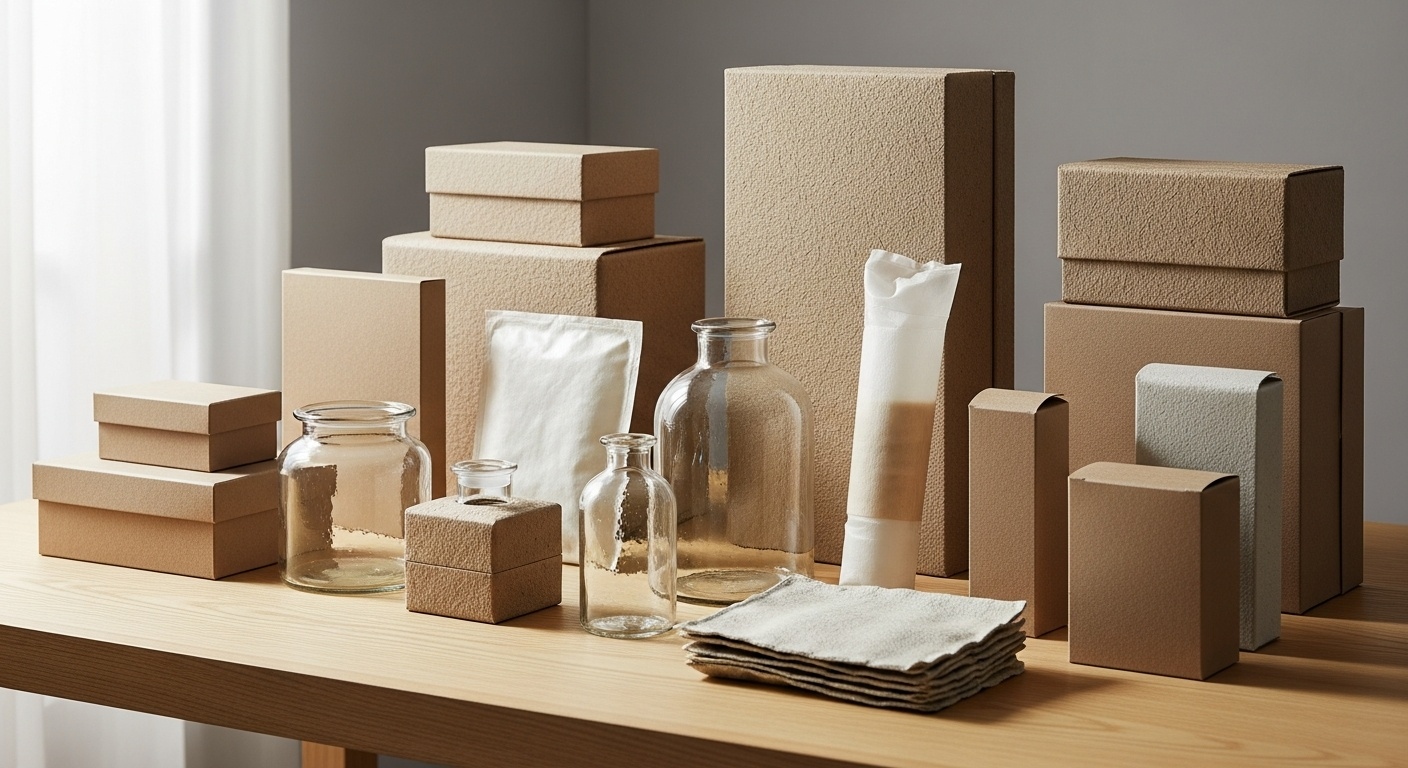
Eco-Conscious Packaging Strategies That Inspire Loyalty and Elevate Your Brand
Sustainable packaging has rapidly evolved from a niche concept into a defining element of modern brand identity. Today’s consumers are more aware than ever of environmental impact, and they are actively seeking products that align with their values. Packaging, once considered a purely functional necessity, has become a powerful storytelling tool—one that communicates responsibility, innovation, and care. For businesses, sustainable packaging is no longer just about reducing waste. It is about creating an experience that resonates with customers while minimizing environmental harm. The most successful designs balance aesthetics, functionality, and sustainability in ways that feel thoughtful rather than restrictive. This guide explores sustainable packaging design ideas that customers not only appreciate but actively prefer. From material choices to visual storytelling, these strategies can help brands stand out while contributing to a more sustainable future.
A: Customers usually respond to packaging that uses less material, feels recyclable or reusable, and still looks attractive and well made.
A: No, sustainable packaging can look premium, modern, and brand-forward while still reducing waste.
A: Yes, especially when it protects the product well and reduces excess bulk, inserts, and filler.
A: Oversized packaging can feel wasteful and inconvenient, while right-sized packaging feels smarter and more considerate.
A: Often yes, because they can increase perceived value and extend the life of the brand in the customer’s home.
A: Adding eco-language to a package that still uses too many materials or creates a poor customer experience.
A: Yes, thoughtful packaging can strengthen trust, improve unboxing, and make customers feel good about buying again.
A: Absolutely, because customers want responsible design that also feels beautiful, functional, and high quality.
A: Recyclable paperboard, corrugated cardboard, molded pulp, select refill formats, glass, metal, and reusable fabric elements are common options.
A: Audit the current package, remove waste first, then redesign around protection, presentation, shipping efficiency, and reuse or recyclability.
Why Sustainable Packaging Matters More Than Ever
The shift toward sustainability is driven by both environmental necessity and consumer demand. Shoppers are increasingly making decisions based on how products are packaged, not just what they contain.
Packaging waste is one of the most visible environmental challenges. Single-use plastics, excessive wrapping, and non-recyclable materials have created a growing concern among consumers. As a result, brands that prioritize sustainable solutions often gain a competitive advantage.
Sustainable packaging also reflects a brand’s values. It signals transparency, responsibility, and forward thinking. Customers who feel aligned with these values are more likely to develop long-term loyalty.
Minimalist Design That Reduces Waste
One of the most effective approaches to sustainable packaging is simply using less. Minimalist design focuses on eliminating unnecessary layers, reducing material usage, and simplifying structure.
This does not mean sacrificing visual appeal. In fact, minimalism often enhances design by emphasizing clean lines, natural textures, and thoughtful details. Packaging that feels intentional rather than excessive can create a premium impression. Reducing material also lowers production costs and shipping weight, making it both environmentally and economically beneficial.
Eco-Friendly Materials That Make a Difference
Material choice is at the heart of sustainable packaging. Recyclable, biodegradable, and compostable materials are increasingly popular alternatives to traditional plastics.
Paper-based packaging, especially when sourced from responsibly managed forests, is widely used for its recyclability and versatility. Plant-based plastics and biodegradable films offer innovative options for brands seeking alternatives to petroleum-based materials.
Glass and metal, while heavier, provide durability and recyclability that can support long-term sustainability goals. The key is selecting materials that align with both the product and the brand’s environmental commitments.
Reusable Packaging That Extends Value
Reusable packaging transforms a single-use item into a long-term asset. When customers can repurpose packaging, it reduces waste and increases perceived value. Examples include jars that can be reused for storage, boxes designed as keepsake containers, or packaging that converts into functional items. These designs encourage customers to keep the packaging rather than discard it. Reusable packaging also creates a lasting connection between the brand and the consumer. Every time the item is reused, it reinforces brand presence.
Refill Systems and Circular Design
Refillable packaging is gaining traction as brands explore ways to reduce waste over time. Instead of replacing the entire package, customers can refill the product using smaller, less resource-intensive containers.
This approach supports a circular economy, where materials are reused rather than discarded. It also encourages repeat purchases, as customers return to refill their products.
Designing for refills requires careful planning, including durable primary containers and convenient refill options. When executed well, it creates both environmental and business benefits.
Transparent Design That Builds Trust
Consumers value honesty, and packaging plays a key role in communicating transparency. Clear labeling, visible materials, and straightforward design can help build trust. Sustainable packaging often highlights its own eco-friendly features, such as recyclability or compostability. However, authenticity is crucial. Overstated claims can damage credibility. Design elements that feel natural, simple, and honest often resonate more strongly than overly complex or heavily branded packaging.
Lightweight Packaging for Lower Impact
Reducing the weight of packaging can significantly decrease its environmental footprint. Lighter materials require less energy to produce and transport, which lowers overall emissions.
This is especially important for eCommerce brands, where shipping plays a major role in sustainability. Streamlined packaging that protects the product without excess bulk can make a meaningful difference.
Lightweight design also improves customer experience by making packages easier to handle and open.
Smart Design for Efficient Shipping
Sustainable packaging goes beyond materials to include how products are shipped. Efficient design minimizes empty space, reducing the need for additional fillers and larger boxes.
Custom-fit packaging ensures that products are protected while using fewer resources. This approach not only reduces waste but also lowers shipping costs.
Flat-pack designs and modular packaging systems can further enhance efficiency, especially for brands with diverse product lines.
Visual Storytelling Through Sustainability
Sustainable packaging offers a unique opportunity to tell a brand story. Colors, textures, and design elements can reflect environmental values and create a cohesive identity.
Natural tones, recycled textures, and subtle design cues often convey sustainability without needing excessive explanation. These visual elements create an emotional connection with customers.
Storytelling can also extend to the unboxing experience. Packaging that feels thoughtful and intentional enhances the overall perception of the product.
Balancing Sustainability and Functionality
While sustainability is important, packaging must still perform its core functions. It must protect the product, preserve quality, and provide convenience. The best designs strike a balance between environmental responsibility and practical usability. A package that is difficult to open or fails to protect its contents can undermine the customer experience. nnovation in materials and design continues to improve this balance, making it easier for brands to achieve both goals.
The Role of Innovation in Sustainable Packaging
Advancements in technology are driving new possibilities in sustainable packaging. From biodegradable materials to smart packaging solutions, innovation is reshaping the industry.
Edible packaging, compostable films, and advanced recycling methods are just a few examples of emerging trends. These innovations offer exciting opportunities for brands to differentiate themselves.
Staying informed about new developments allows businesses to adopt solutions that align with both environmental goals and customer expectations.
Creating a Memorable Customer Experience
Sustainable packaging is not just about reducing impact—it is about enhancing the customer experience. A well-designed package can create a sense of anticipation and delight.
Thoughtful details such as easy opening, tactile materials, and clean presentation contribute to a positive unboxing experience. When customers enjoy the packaging, they are more likely to remember the brand. Sustainability can be a key part of this experience, adding depth and meaning to the interaction.
Final Thoughts
Sustainable packaging design is a powerful intersection of creativity, responsibility, and strategy. It allows brands to reduce their environmental impact while building stronger connections with customers. From minimalist designs and eco-friendly materials to reusable systems and efficient shipping solutions, there are countless ways to approach sustainability. The most successful designs are those that feel authentic, functional, and aligned with the brand’s values. As consumer expectations continue to evolve, sustainable packaging will remain a critical element of modern branding. By embracing thoughtful design and innovation, businesses can create packaging that customers truly love—and that contributes to a more sustainable future.